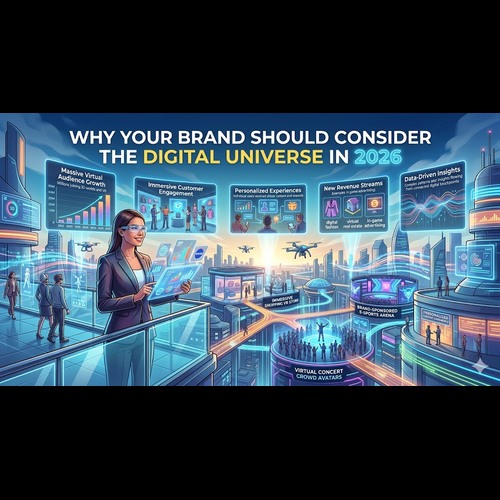
The digital landscape is evolving at an unprecedented pace. By 2026, the digital universe will become a tangible reality. Brands will use this virtual world to connect with audiences. It opens up new and exciting ways to engage. This article explains why your brand should enter this digital space. It covers the available opportunities and offers practical strategies for utilizing them effectively.
Understanding the Digital Universe
The digital universe covers virtual reality (VR), augmented reality (AR), mixed reality (MR), and web3 technology. These tools help brands create immersive experiences for consumers. These experiences are different from traditional online interactions. They let users engage in three-dimensional spaces. This creates a strong sense of presence, interactivity, and personalization. Static websites or apps can’t compete.
Key Components of the Digital Universe in 2026:
- Virtual Reality (VR): Fully immersive experiences using headsets or VR-enabled devices.
- Augmented Reality (AR): Overlaying digital content onto real-world environments.
- Mixed Reality (MR): Combining real and virtual environments for interactive experiences.
- Blockchain and NFTs: Enabling secure ownership and digital commerce in virtual spaces.
- 3D Avatars and Social Spaces: Personalized representation and social interaction within virtual communities.
Brands can find new ways to engage audiences by understanding these elements.
Why Brands Cannot Ignore the Digital Universe
1. Consumer Expectations are Changing.
Modern consumers have a growing expectation for immersive and interactive experiences. The digital universe allows brands to:
- Provide personalized engagement through virtual avatars and customized spaces.
- Offer interactive storytelling, allowing users to engage directly with brand narratives.
- Create memorable experiences, boosting brand loyalty and recall.
Analysts say that by 2026, over 60% of consumers will like immersive brand experiences. So, it’s crucial for businesses to adopt these technologies soon.
2. New Revenue Streams
Entering the digital universe unlocks diverse monetization opportunities.
- Virtual Product Launches: Showcase products in interactive 3D environments.
- Digital Merchandise & NFTs: Sell branded digital assets and collectibles.
- Virtual Real Estate: Brands can own spaces in popular virtual worlds. They can make money through experiences or sponsorships.
These new revenue streams make the top metaverse development solutions essential for industries like fashion, gaming, education, and entertainment, where immersive experiences and innovation drive engagement and business growth.
3. Enhanced Customer Engagement
The digital universe enables real-time interaction and feedback:
- Host virtual events, workshops, and meetups without geographic constraints.
- Use gamified experiences to increase participation and retention.
- Provide personalized support with AI-driven avatars or interactive guides.
Engaged consumers often promote your brand. This leads to natural marketing chances.
Key Trends Driving the Digital Universe in 2026
To stay competitive, brands need to be aware of the trends shaping the digital universe:
- Interoperable Platforms: Consumers expect seamless movement across different virtual worlds. Brands should design experiences that are cross-platform compatible.
- AI-Powered Personalization: AI will create virtual experiences tailored to individual preferences. It will recommend content, products, and experiences based on how users behave.
- Sustainable Virtual Practices: Eco-conscious consumers care about low-carbon digital efforts. This includes energy-efficient VR platforms and NFT projects focused on sustainability.
- Social Commerce Integration: Virtual worlds will blend shopping into social spaces. This allows users to buy items immediately while remaining in the environment.
Keeping up with trends keeps your brand relevant in today’s fast-paced digital world.
How to Approach Digital Universe Integration
Step 1: Define Your Objectives
Before investing, clarify what your brand wants to achieve:
- Increase brand awareness through immersive storytelling.
- Generate sales and revenue through digital products or experiences.
- Foster community engagement in social virtual spaces.
Having clear goals ensures your investment delivers measurable outcomes.
Step 2: Choose the Right Platforms
Test which virtual worlds or platforms align with your audience:
- VR platforms: Meta’s Horizon Worlds, VRChat.
- AR applications: Snapchat Lens Studio, Apple ARKit.
- Web3-enabled spaces: Decentraland, the Sandbox.
Select platforms where your target audience is most active and engaged.
Step 3: Design Engaging Experiences
Successful experiences are interactive, memorable, and shareable:
- Use gamification to encourage participation.
- Incorporate storytelling elements for emotional connection.
- Offer exclusive rewards or content to incentivize repeat visits.
A well-designed experience increases retention and enhances your brand image.
Step 4: Leverage Analytics
Tracking engagement is critical:
- Check user behavior within virtual spaces.
- Measure conversion metrics, such as purchases or content interactions.
- Collect feedback to optimize future experiences.
Data-driven decisions help maximize ROI from digital universe initiatives.
Challenges to Expect
While the digital universe offers immense potential, brands must navigate challenges:
- High Development Costs: Advanced VR/AR experiences can be expensive to create.
- Technical Complexity: Integrating AI, blockchain, and interactive design requires expertise.
- Audience Adoption: Some segments may not yet be comfortable with immersive experiences.
- Privacy and Security: Protecting user data in virtual environments is critical.
Addressing these challenges with proper planning, partnerships, and testing ensures successful adoption.
Industry Use Cases
1. Retail and Fashion: Brands like Gucci and Nike launched virtual stores and NFTs. They want to engage users in fun, gamified shopping experiences.
2. Entertainment and Gaming: Virtual concerts and live events bring in new money. Interactive games also help to engage fans.
3. Education and Training: Companies use VR classrooms and simulations. This creates immersive learning experiences that boost retention and engagement.
4. Real Estate and Virtual Spaces: Brands can buy virtual real estate. They can host events or showcase products in popular digital spaces.
These examples show that almost any industry can enjoy going digital.
The Future Outlook
By 2026, the digital universe will no longer be optional—it will be a strategic imperative. Brands that embrace immersive technologies will enjoy:
- Stronger customer loyalty through engaging experiences.
- Diversified revenue streams beyond physical products.
- Competitive differentiation in crowded markets.
Brands that wait might find it hard to catch up. Competitors are gaining a first-mover advantage in virtual ecosystems.
Conclusion
The digital universe represents a transformative opportunity for brands in 2026.
Businesses can succeed in this new landscape. They need to understand its parts. They should use trends and create engaging experiences.
From enhanced customer engagement to new revenue streams, the benefits are significant. Act now. Experiment with careful consideration. Add immersive experiences to your brand strategy.
Embracing the digital world isn’t a future thought. It’s a smart move for growth, innovation, and staying relevant in our digital-first reality.