The green building industry continues to evolve as environmental challenges, climate goals, and occupant expectations shift across the globe. With the introduction of LEED v5, project teams now have a more comprehensive and performance-driven framework to follow. This latest version reshapes how sustainability is measured and implemented across design, construction, and operations. For professionals working toward LEED certification, understanding these changes is critical because the new framework significantly influences planning strategies, documentation processes, and long-term building performance outcomes.
Understanding the Evolution of LEED
Leadership in Energy and Environmental Design has long served as a benchmark for sustainable development. Earlier versions focused heavily on energy efficiency, water conservation, and material transparency. While those priorities remain essential, LEED v5 moves further by aligning building performance with global climate science and equity goals.
The structure of the rating system has been refined to make sustainability outcomes more measurable. Rather than simply checking boxes, project teams are now encouraged to demonstrate actual performance improvements. The result is a more holistic and data-driven approach that reshapes how green building projects are designed from the ground up.
Key Themes Driving LEED v5
Climate Action as a Core Priority
One of the most important shifts in LEED v5 is its emphasis on decarbonization. Carbon reduction is no longer a secondary benefit but a primary objective. Projects are evaluated more closely on operational carbon, embodied carbon, and long-term climate resilience.
This means design teams must analyze building systems earlier in the process. Energy modeling, electrification strategies, and renewable energy integration are expected to be considered from conceptual stages. The focus extends beyond reducing consumption to eliminating fossil fuel dependency wherever possible.
Resilience and Adaptation Planning
Buildings are increasingly vulnerable to climate-related risks such as flooding, heatwaves, and extreme weather. LEED v5 introduces stronger resilience planning requirements. Projects must now assess potential environmental hazards and demonstrate how they will mitigate long-term risks.
This approach encourages smarter site selection, better envelope performance, and systems designed to withstand disruption. By addressing resilience early, developers reduce operational interruptions and protect asset value over time.
Equity and Human Health Integration
LEED v5 also expands its focus on social equity and occupant well-being. Sustainable buildings are not only about environmental performance but also about creating healthy, inclusive spaces for people.
New credits encourage community engagement, equitable design strategies, and improved indoor environmental quality. These measures may include enhanced ventilation, low-emission materials, daylight optimization, and access to transportation. The broader goal is to ensure sustainability benefits extend to both occupants and surrounding communities.
Structural Changes in the Rating System
Performance-Based Metrics
Earlier versions allowed projects to earn points primarily through design intent and documentation. LEED v5 shifts toward verified performance outcomes. Energy and water consumption data are more heavily emphasized, requiring ongoing measurement and validation.
This change increases accountability but also improves credibility. Projects seeking green building certification will need robust monitoring systems to track operational efficiency over time. Smart meters, building automation systems, and data analytics platforms are becoming essential tools.
Increased Focus on Embodied Carbon
Embodied carbon refers to emissions associated with material extraction, manufacturing, transportation, and construction. LEED v5 significantly strengthens incentives for reducing embodied carbon.
Project teams are encouraged to conduct life cycle assessments and prioritize low-carbon materials such as recycled steel, mass timber, and low-carbon concrete alternatives. Supply chain transparency becomes more important, requiring coordination between designers, contractors, and manufacturers.
Electrification and Renewable Integration
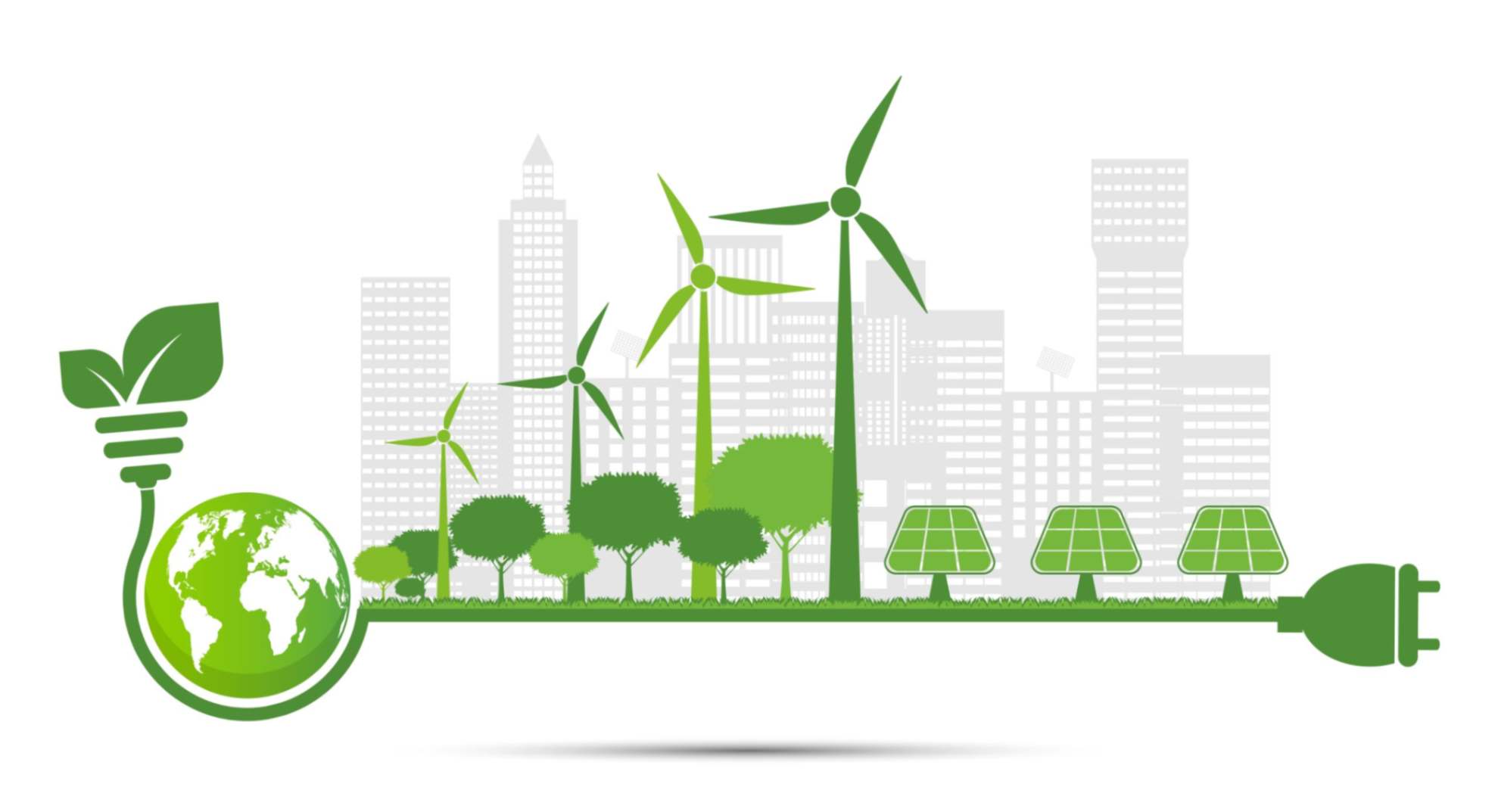
Electrification is another major theme. Buildings that rely on fossil fuel systems face increasing scrutiny. LEED v5 rewards projects that shift to all-electric systems and integrate on-site renewable energy sources.
Solar panels, battery storage systems, and high-efficiency heat pumps are more likely to play a central role in compliant designs. These strategies not only reduce carbon emissions but also prepare buildings for evolving energy codes and regulations.
Impact on Project Planning and Design
Earlier Collaboration Across Disciplines
Because LEED v5 emphasizes measurable outcomes, collaboration must begin earlier in the design process. Architects, engineers, sustainability consultants, and contractors must align strategies from day one.
Integrated design workshops become more valuable, ensuring energy modeling, material selection, and resilience planning are coordinated rather than treated as separate tasks. This integrated approach can increase upfront planning time but often reduces costly redesigns later.
Higher Documentation Standards
With stronger performance verification requirements, documentation standards have increased. Project teams must maintain detailed records of energy models, material declarations, and environmental product data.
While this can add administrative complexity, it also improves transparency and strengthens stakeholder confidence. Investors and tenants increasingly demand verified sustainability data, and LEED v5 supports that need.
Technology Adoption
Digital tools are becoming indispensable under LEED v5. Energy simulation software, life cycle assessment platforms, and real-time monitoring systems help teams meet new performance thresholds.
The integration of smart technologies not only supports compliance but also enhances long-term building management. Facilities teams gain better insights into system performance, enabling proactive maintenance and continuous improvement.
Operational Impacts After Certification
Ongoing Performance Monitoring
LEED v5 encourages long-term accountability rather than one-time achievement. Buildings may need to report operational data periodically to maintain recognition levels.
This requirement shifts the mindset from achieving certification at project completion to sustaining high performance throughout the building lifecycle. Owners must invest in operational training and monitoring systems to maintain standards.
Increased Market Expectations
As sustainability becomes mainstream, tenants and investors expect more than symbolic commitments. LEED v5 sets a higher bar, which may influence leasing strategies and property valuations.
Buildings that meet these enhanced criteria can differentiate themselves in competitive markets. Higher performance often translates to lower operating costs, improved occupant satisfaction, and stronger brand reputation.
Financial Considerations
Upfront Investment Versus Long-Term Savings
Implementing LEED v5 strategies may increase upfront design and construction costs. Advanced modeling, renewable energy systems, and low-carbon materials often require additional investment.
However, long-term savings can offset initial expenses. Reduced energy consumption, water efficiency, and maintenance optimization lower operating costs over time. Many financial institutions also offer incentives or favorable financing terms for sustainable developments.
Risk Mitigation Benefits
Climate resilience planning reduces exposure to physical and regulatory risks. Buildings designed under LEED v5 standards may better withstand extreme weather and future carbon regulations.
This proactive approach can protect property value and reduce insurance costs. Investors increasingly consider climate risk assessments when evaluating real estate portfolios.
Challenges for Project Teams
Learning Curve and Education
Adopting LEED v5 requires updated knowledge and training. Sustainability professionals must understand new credit requirements, performance metrics, and documentation processes.
Educational workshops and certification programs can help bridge knowledge gaps. As familiarity grows, implementation will become more streamlined.
Supply Chain Coordination
Reducing embodied carbon and increasing transparency requires collaboration across the supply chain. Material sourcing decisions must align with sustainability goals, which can be complex in global markets.
Clear communication and early procurement planning are essential to meeting LEED v5 requirements without delays.
Opportunities Created by LEED v5
Innovation in Materials and Systems
Stricter carbon and performance targets encourage innovation. Manufacturers are investing in low-carbon products, while engineers are developing advanced building systems that maximize efficiency.
This innovation can accelerate industry-wide transformation. As more projects pursue advanced sustainability strategies, market standards gradually shift upward.
Alignment With Global Climate Goals
Governments and corporations worldwide are committing to net-zero targets. LEED v5 aligns closely with these ambitions, making it a valuable framework for organizations seeking credible pathways toward carbon neutrality.
By embedding climate science into building standards, the rating system ensures projects contribute meaningfully to emissions reduction efforts.
How It Will Shape the Future of Green Building Projects
LEED v5 signals a shift from aspirational sustainability to measurable climate action. The framework encourages data-driven decisions, long-term accountability, and integrated design thinking.
Project teams must now approach sustainability as a core business strategy rather than an optional add-on. The emphasis on carbon reduction, resilience, and equity ensures buildings deliver environmental and social value simultaneously.
Developers who adapt quickly may gain competitive advantages through operational efficiency and stronger market positioning. Those who delay may face steeper learning curves and higher compliance costs later.
Final Thought
LEED v5 represents more than an update to a rating system. It reflects a broader transformation in how the built environment responds to climate urgency and community needs. For professionals pursuing green building certification, adapting to these changes is essential for delivering projects that meet rising expectations. At the same time, understanding the evolving requirements of LEED certification allows teams to create buildings that are not only efficient but resilient, equitable, and prepared for the future.