Successful chains make you recognize them instantly without even reading their names anywhere visible. Smart branding turns ordinary burgers into lifestyle choices people identify with personally and emotionally. Most failed restaurants had decent food but terrible branding that nobody remembered after visiting. Understanding what makes logos and colors stick in memory helps new businesses compete effectively. Big chains spend millions testing every tiny detail from font size to napkin colors. Learning their proven strategies lets small operators punch above their weight class competing locally. These elements separate forgettable places from ones people drive past five competitors to reach.
Why Do Specific Colors Dominate the Fast Food Industry?
Red and yellow activate hunger responses in people’s brains , making people want food immediately. These colors also grab attention from highways where drivers make split second dining decisions. Blue rarely appears because it suppresses appetite making it a terrible choice for food businesses. Orange creates feelings of fun and affordability that budget conscious families appreciate when eating. Green signals health and freshness which newer chains use targeting wellness minded younger customers. Fast Food Branding relies on color psychology that decades of research proved affects buying behavior.
How Does Logo Simplicity Aid Instant Recognition?
Simple shapes process faster in the brain allowing recognition at highway speeds during quick glances. Memorable logos work equally well, tiny on wrapping or giant on building signs everywhere. Complicated designs get lost when reproduced on small items like cups or napkin holders. Iconic symbols transcend language barriers working in any country without translation needed at all. Testing shows people remember simple logos after single exposure versus complex ones requiring multiple. Major chains in the USA spent years simplifying original designs once they understood recognition science better.
What Makes Mascots Create Emotional Connections Successfully?
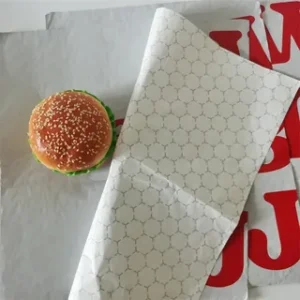
Characters give brands personality making corporations feel friendlier and more approachable to regular people. Kids form attachments to mascots influencing family dining choices for years into their futures. Mascots appear in advertising telling stories that pure logo marks cannot communicate effectively alone. Collectible toys featuring characters drive traffic as parents visit repeatedly collecting entire sets available. Successful mascots become cultural icons recognized even by people who never ate there before. Burger wrapping paper with a logo featuring beloved characters extends brand touchpoints beyond just advertising.
Why Does Consistent Typography Matter Across All Materials?
Recognizable fonts become shorthand for the entire brand personality without needing to read actual words. Custom typefaces cannot be copied by competitors protecting brand identity from lookalike imitators nearby. Font choices communicate whether business targets kids or adults seeking quick versus quality experiences. Consistent typography across menus and signage creates professional cohesive look customers associate with reliability. Changing fonts confuses customers breaking recognition patterns you worked hard establishing over time building. Fast Food Branding succeeds when every visual element reinforces the same identity message repeatedly everywhere shown.
How Do Taglines Reinforce Brand Identity Effectively?
Short memorable phrases stick in heads playing on repeat long after people leave restaurants. Good taglines communicate core brand promise in five words or less that anyone remembers. Rhyming or rhythm makes taglines easier to recall and more likely to be shared socially. Taglines differentiate similar businesses by stating unique selling points competitors cannot claim honestly themselves. Testing multiple options before launching prevents investing in phrases that fall flat with target audiences. Companies like Wax Papers Hub help businesses print taglines on every customer touchpoint reinforcing messages constantly.
What Role Does Wrapping Design Play In Perception?
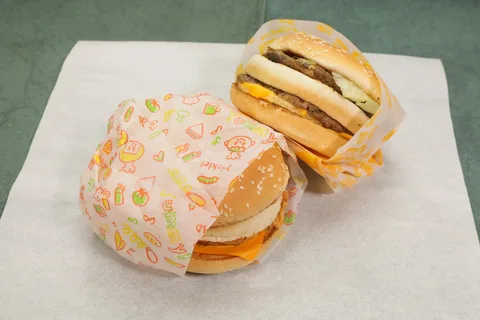
Attractive wrapping boosts perceived value of food allowing businesses to charge premium prices justified. Unique shapes or opening mechanisms create memorable unboxing experiences people share on social media. Color coded wrappers help staff distinguish different sandwiches during rush preventing wrong orders being. Branded wrapping becomes mobile advertising when customers carry bags walking through busy public areas. Sustainable materials appeal to environmentally conscious customers willing to pay more for responsible businesses. Fast Food Branding extends beyond the storefront to every item customers touch or take home.
Why Does Store Design Reinforce Brand Values?
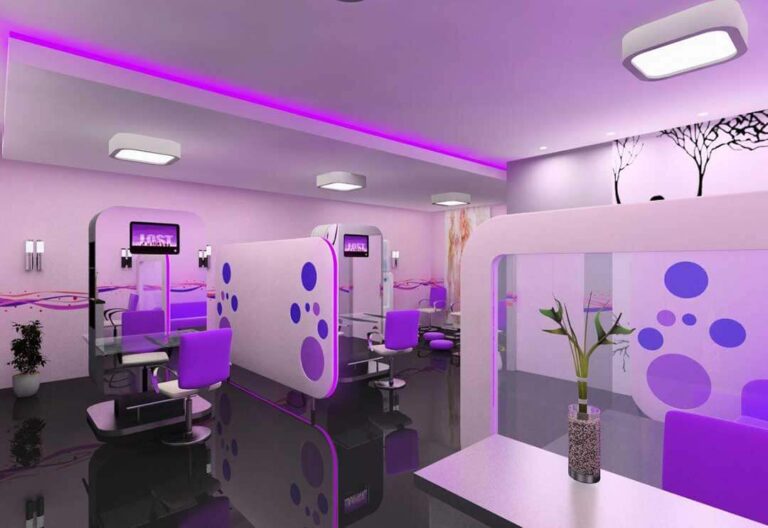
Interior colors and materials communicate whether the brand positions itself as a budget or premium option. Open kitchens build trust by showing cleanliness and food preparation transparency customers increasingly demand. Seating arrangements signal whether business wants quick turnover or comfortable longer dining experiences encouraged. Lighting affects mood with bright fast turnover spaces versus dim relaxed environments for lingering. Consistent design across locations builds familiarity making customers comfortable visiting any branch anywhere confidently. Franchise success depends on replicating exact look and feel so brand promise stays identical.
How Do Limited Time Offers Create Urgency?
Special menu items generate buzz and foot traffic from curious customers wanting to try. Scarcity makes people act quickly rather than putting off visits until forgotten completely later. Seasonal offerings give loyal customers new reasons to return beyond their usual standard orders. Testing new items as LTO reduces risk versus adding permanently to the menu without knowing. Social media explodes when people rush to try and post about exclusive limited offerings. Fast Food Branding stays relevant and exciting through constantly rotating special products and promotions run.
What Makes Social Media Presence Essential For Growth?
Younger customers discover new restaurants through Instagram and TikTok more than traditional advertising now. User generated content provides free authentic marketing that paid ads cannot match for credibility. Engaging with customer posts builds community and loyalty that corporate messaging alone never achieves. Behind scenes content humanizes brands showing real people behind counters making food served daily. Viral moments can put unknown local chains on the national map overnight when posts explode. Fast Food Branding in the modern era requires an active social presence beyond just traditional marketing done, including visual details like burger wrapping paper with logo that appear in photos and videos shared online.
Why Does Employee Appearance Affect Brand Perception?
Uniforms create visual consistency making staff easily identifiable to customers needing assistance quickly finding. Clean pressed uniforms signal operational standards and cleanliness customers expect throughout the entire business operation. Branded apparel turns employees into walking advertisements when they wear them outside work hours. Name tags personalize service making interactions feel friendlier and less corporate to diners eating. Appearance standards demonstrate attention to details that customers assume extends to food preparation hidden.