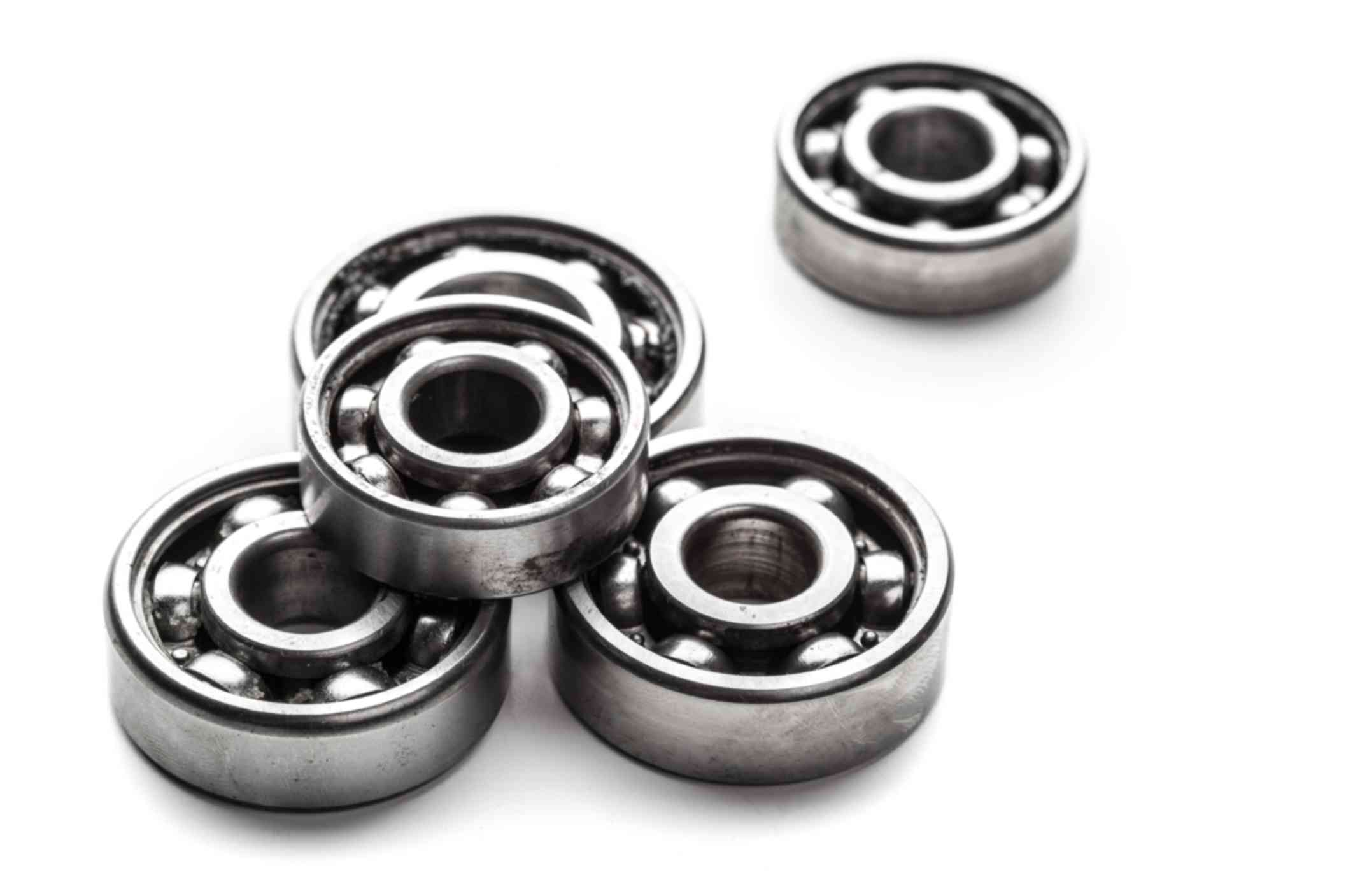
Machines depend on precise components that reduce friction and allow smooth motion between moving parts. Bearings are among the most important of these components. They support rotating shafts, reduce wear, and help machinery operate efficiently for long periods. One specific type that has been widely used in heavy machinery for decades is white metal bearings. Known for their excellent load-carrying capacity and durability, these bearings are commonly used in equipment that requires reliability under demanding conditions.
Understanding how these bearings work, what materials they use, and where they are applied can help engineers, technicians, and industry professionals choose the right bearing type for different mechanical systems.
Understanding White Metal Bearings
White metal bearings are a type of plain bearing that use a soft metal alloy as their lining material. The term “white metal” comes from the silvery appearance of the alloy used in the bearing surface. These bearings are commonly used where heavy loads, moderate speeds, and reliable lubrication are present.
Unlike rolling bearings that use balls or rollers, white metal bearings are sliding bearings. This means that the rotating shaft slides over a lubricated metal surface instead of rolling over small elements.
The soft alloy lining allows the bearing to conform slightly to the shaft surface. This adaptability improves contact and helps distribute loads more evenly.
Composition of White Metal
White metal is usually a tin or lead based alloy. The most common alloys contain elements such as:
- Tin
- Lead
- Copper
- Antimony
These metals are combined to create a material that offers both softness and strength. The softer component allows small particles or debris to embed into the surface without damaging the shaft. The harder components provide structural support and resistance to wear.
This combination makes the material ideal for applications where friction control and durability are essential.
How White Metal Bearings Work
White metal bearings operate using a thin layer of lubricant between the shaft and the bearing surface. This lubrication creates a hydrodynamic film that separates the two metal surfaces during operation.
When the shaft begins rotating, oil is pulled into the small clearance between the shaft and the bearing lining. As speed increases, pressure builds within the oil film, lifting the shaft slightly and allowing it to rotate without direct contact with the bearing surface.
This process provides several advantages:
- Reduced friction
- Lower operating temperature
- Extended component life
- Smooth rotation
Because of this lubrication mechanism, these bearings perform best when a stable oil supply is maintained.
Key Characteristics of White Metal Bearings
White metal bearings are valued for several unique characteristics that make them suitable for heavy duty machinery.
Conformability
Conformability refers to the ability of the bearing material to adapt to slight misalignment or irregularities in the shaft. The soft alloy lining allows the bearing surface to adjust slightly, improving contact and reducing stress.
Embeddability
Dust, debris, or small particles can enter lubrication systems over time. Instead of scratching the shaft surface, these particles become embedded in the soft bearing material. This protects the shaft and prevents severe damage.
Anti Seizure Properties
Because the lining is softer than the shaft, it reduces the risk of seizure if lubrication conditions temporarily deteriorate. Even if contact occurs, the bearing material sacrifices itself rather than damaging the rotating shaft.
Good Load Distribution
The material structure allows loads to be spread evenly across the bearing surface. This helps prevent localized stress and premature wear.
Easy Repair and Replacement
In many industrial machines, white metal bearing linings can be re-poured or refurbished instead of replacing the entire bearing assembly. This makes maintenance more practical and cost effective.
Manufacturing Process
The production of white metal bearings usually involves bonding the white metal alloy to a stronger backing material such as steel or bronze. This backing provides structural support while the soft lining performs the friction reducing function.
The general process includes several steps.
Surface Preparation
The bearing shell or backing material is cleaned and prepared to ensure strong bonding with the alloy.
Melting the Alloy
The white metal alloy is heated until it becomes molten. Precise temperature control is important to maintain the correct material properties.
Pouring or Centrifugal Casting
The molten alloy is poured or cast onto the bearing shell. In centrifugal casting, the shell rotates during pouring to distribute the metal evenly along the inner surface.
Machining and Finishing
After cooling and solidification, the bearing is machined to achieve precise dimensions and surface finish. Oil grooves and lubrication channels may also be added during this stage.
Inspection
Quality checks ensure proper bonding, material composition, and dimensional accuracy before the bearing is used in machinery.
Advantages of White Metal Bearings
Several advantages explain why these bearings are still widely used in heavy machinery.
High Load Capacity
These bearings can support large radial loads, making them suitable for turbines, compressors, and industrial motors.
Long Service Life
When properly lubricated and maintained, they can operate for many years without failure.
Good Heat Transfer
The metal alloy and backing structure allow heat generated by friction to dissipate efficiently.
Reliability
Because of their forgiving material properties, these bearings can tolerate slight alignment errors or temporary lubrication issues better than some other bearing types.
Quiet Operation
The smooth sliding motion and oil film reduce vibration and noise during operation.
Limitations to Consider
Despite their benefits, white metal bearings also have certain limitations.
Dependence on Lubrication
These bearings require a reliable lubrication system. Without sufficient oil flow, the metal surfaces can come into direct contact and wear quickly.
Speed Limitations
While they handle heavy loads well, they are not always ideal for extremely high speed applications compared with rolling bearings.
Temperature Sensitivity
Excessive heat can soften the alloy and affect its mechanical properties. Proper cooling and lubrication are essential.
Maintenance Requirements
Regular inspection of oil supply, temperature, and shaft alignment is necessary to ensure long term performance.
Common Industrial Applications
White metal bearings are used in many industries where large rotating equipment operates continuously.
Power Generation Equipment
Steam turbines and hydroelectric turbines rely on these bearings to support massive rotating shafts. Their ability to handle heavy loads and maintain smooth motion makes them ideal for this environment.
Marine Machinery
Ships and marine propulsion systems often use these bearings in engines, propeller shafts, and auxiliary equipment. Their durability and tolerance to contaminants make them suitable for marine conditions.
Heavy Industrial Machines
Large compressors, pumps, and generators frequently incorporate white metal bearings. These machines operate under constant load and require dependable bearing performance.
Steel and Metal Processing
Rolling mills and other metal processing equipment generate high loads and vibrations. White metal bearings provide the stability required for such operations.
Hydroelectric Systems
Hydroelectric turbines rotate slowly but carry extremely heavy loads. The load carrying capacity and reliability of these bearings make them ideal for this type of power generation equipment.
Maintenance and Inspection
Proper maintenance is essential to ensure the longevity of white metal bearings. Routine inspection typically focuses on lubrication quality, temperature monitoring, and vibration analysis.
Technicians often check for:
- Oil contamination
- Surface wear
- Alignment issues
- Excessive vibration
- Temperature rise
Modern monitoring systems can detect small changes in operating conditions. Early detection allows maintenance teams to prevent major failures.
Future Relevance in Engineering
Even though advanced materials and rolling bearing technologies continue to evolve, white metal bearings remain important in many heavy industries. Their unique combination of softness, durability, and load carrying capability makes them difficult to replace in certain applications.
Engineers continue to improve lubrication systems, manufacturing methods, and alloy compositions to enhance performance and extend service life.
Final Thought
Bearings play a critical role in the reliability of industrial machines, and choosing the correct type can significantly affect performance and maintenance costs. white metal bearings remain a trusted solution in heavy duty equipment because of their excellent load capacity, adaptability, and long operational life. Even as new bearing technologies develop, these classic sliding bearings continue to support turbines, marine engines, and large industrial machines around the world.