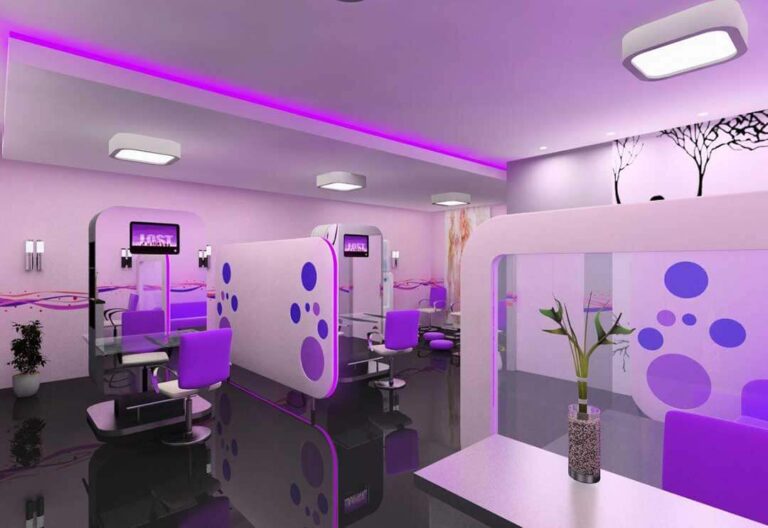
Laboratories are precision-driven environments where efficiency, safety, and accuracy are non-negotiable. Unlike conventional workspaces, laboratory interiors must support complex workflows, sensitive equipment, and strict compliance requirements. In such settings, turnkey laboratory projects play a crucial role—especially when combined with intelligent furniture planning concepts that maximize functionality.
Furniture in laboratories is not merely a supporting element; it directly affects workflow efficiency, contamination control, ergonomics, and long-term operational success.
Why Furniture Planning Is Critical in Laboratory Turnkey Projects
In laboratory environments, furniture must work in harmony with processes, equipment, and utilities. Poor furniture planning can lead to workflow disruptions, safety risks, and inefficient use of space.
Turnkey laboratory projects integrate furniture planning from the very beginning, ensuring that:
- Workstations support laboratory processes
- Movement of personnel and samples is efficient
- Equipment placement is safe and accessible
This holistic approach prevents costly modifications later.
Workflow-Oriented Laboratory Furniture Layouts
Effective laboratory furniture planning begins with understanding how work flows within the lab. From sample receipt to testing, analysis, and storage, every step must be supported by the layout.
Professionally planned layouts:
- Reduce unnecessary movement
- Minimize cross-contamination risks
- Improve task efficiency
Furniture is positioned to support logical sequencing of activities, making daily operations smoother and more reliable.
Modular Furniture for Flexibility and Growth
Laboratory requirements often evolve due to new equipment, processes, or regulatory updates. Modular furniture systems are a key component of turnkey lab projects.
Advantages of modular laboratory furniture include:
- Easy reconfiguration without major construction
- Adaptability to new workflows
- Long-term cost efficiency
This flexibility ensures laboratories remain future-ready.
Ergonomic Design for Precision and Safety
Laboratory personnel perform repetitive and precision-based tasks for extended hours. Poor ergonomics can lead to fatigue, errors, and long-term health issues.
Turnkey furniture planning focuses on:
- Optimal workbench heights
- Ergonomic seating solutions
- Reduced strain during repetitive tasks
Ergonomic furniture improves comfort while supporting accuracy and productivity.
Material Selection for Hygiene and Durability
Laboratory furniture must withstand chemicals, frequent cleaning, and heavy usage. Material selection is a core planning element in turnkey projects.
Functional materials typically include:
- Stainless steel for cleanrooms
- Chemical-resistant surfaces
- Non-porous finishes for easy sanitation
Choosing the right materials ensures compliance, longevity, and ease of maintenance.
Seamless Integration of Equipment and Utilities
Laboratory furniture must accommodate equipment, power points, gas lines, exhaust systems, and data connectivity. Poor coordination can compromise safety and efficiency.
Turnkey furniture planning ensures:
- Equipment fits perfectly within workstations
- Utilities are safely integrated
- Maintenance access is easily available
This integrated approach eliminates operational bottlenecks.
Space Optimization Without Compromising Safety
Laboratories often operate within space constraints, especially in urban or high-cost facilities. Turnkey projects maximize functionality while maintaining safety standards.
Key strategies include:
- Vertical storage solutions
- Compact yet accessible workstations
- Clear movement paths for personnel
Efficient space utilization enhances productivity without overcrowding.
Compliance-Driven Furniture Planning
Laboratory furniture must align with regulatory and safety standards relevant to the industry—pharmaceutical, biotech, diagnostics, or research.
Turnkey projects ensure furniture planning supports:
- Cleanroom classifications
- Safety and hygiene protocols
- Audit and validation readiness
Compliance is built into the design rather than addressed later.
Long-Term Operational Efficiency Through Smart Planning
Well-planned laboratory furniture reduces maintenance costs, minimizes downtime, and improves operational consistency.
Turnkey solutions deliver:
- Durable construction
- Easy-to-clean surfaces
- Reliable performance over time
This results in laboratories that function efficiently throughout their lifecycle.
Conclusion
Turnkey laboratory projects succeed when furniture planning is treated as a strategic component rather than an afterthought. By aligning furniture design with workflows, ergonomics, materials, utilities, and compliance needs, turnkey solutions maximize laboratory functionality and operational efficiency.
For organizations seeking reliable, scalable, and future-ready laboratory environments, professional turnkey execution combined with intelligent furniture planning is the key to long-term success.
Quality office workstation furniture Vadodara offering ergonomic, stylish, and durable solutions to enhance comfort and productivity. Get custom layouts and premium office setups tailored to your workspace needs.