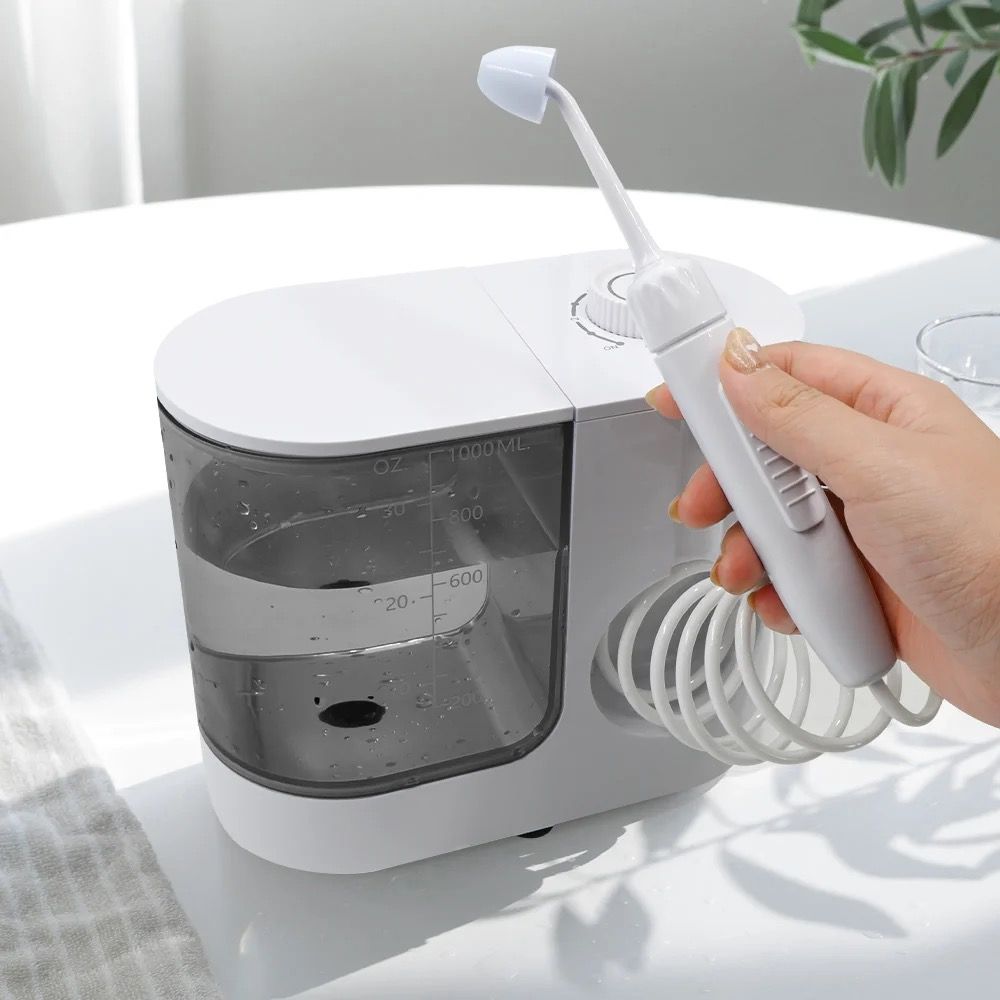
If you struggle with sinus congestion, allergies, post-nasal drip, or frequent sinus infections, you’re likely searching for an effective solution. One of the most helpful tools for managing nasal discomfort and maintaining sinus health is a Sinus Irrigation Machine. This device has gained widespread attention among people with chronic sinus issues as a safe and practical way to rinse nasal passages and promote clearer breathing.
In this in depth guide, we’ll explore what a sinus irrigation machine is, how it works, its benefits, how to use it properly, potential risks to be aware of, and why it may be helpful for you. Whether you’re new to sinus irrigation or curious about advanced nasal care tools, this article has you covered.
What Is a Sinus Irrigation Machine?
A Sinus Irrigation Machine is a device designed to flush the nasal passages and sinus cavities with a controlled saline (salt-water) solution. By delivering a steady flow of salty liquid through the nostrils, it helps wash away mucus, allergens, dust, and other irritants that can accumulate and cause irritation, congestion, or infection.
Unlike traditional tools like neti pots or manual squeeze bottles, sinus irrigation machines often use pulsating or pressurized streams of saline that can reach deeper into the sinuses. These machines are especially popular among individuals who suffer from chronic sinusitis, allergies, or seasonal congestion, and they provide a more efficient rinse than manual methods alone.
Why Nasal Irrigation Matters
Before jumping into how to use the machine, it helps to understand why nasal irrigation is beneficial:
1. Clears Mucus and Congestion
When your sinuses are congested due to allergies, colds, or air pollution, mucus tends to build up, trapping irritants and blocking airflow. A sinus irrigation machine flushes this mucus out, helping open the nasal passages and reduce pressure.
2. Removes Allergens and Pollutants
Pollen, dust, pet dander, and other airborne particles can settle in nasal passages and trigger symptoms like sneezing, itching, and stuffiness. Rinsing with saline helps remove these allergens before they cause more irritation.
3. Moisturizes Nasal Tissue
Dry indoor air common during winter or in air conditioned environments can dry out nasal membranes, leading to irritation and nosebleeds. Saline irrigation adds much-needed moisture to the sinuses, soothing dryness and promoting comfort.
4. Supports Respiratory Health
Keeping your nasal passages clear can improve airflow and decrease post-nasal drip, which often contributes to coughing, throat irritation, and sore throat. Regular irrigation supports overall respiratory comfort and function.
How a Sinus Irrigation Machine Works

Most sinus irrigation machines consist of:
-
A water reservoir or tank
-
A saline solution (either pre mixed or created with water + salt packets)
-
A tube or nozzle that directs the solution into the nostrils
-
Sometimes, a pulsating mechanism to enhance the flushing action
To use the machine, you typically fill the tank with sterile or boiled-and-cooled water mixed with the provided saline packet. Then, you position the nozzle against one nostril while keeping your head upright (no awkward tilting like with a neti pot). The machine pumps the saline through your nasal cavity and out the other nostril or into a catcher.
This gentle stream helps dislodge mucus and irritants deeper in the sinus cavities that traditional methods may not reach. Some advanced devices also offer mist or spray tips to thoroughly moisturize and cleanse areas that are otherwise hard to reach.
Benefits of Using a Sinus Irrigation Machine
Here are some of the key advantages of incorporating this device into your wellness routine:
1. Enhanced Cleaning Power
Unlike gravity-based neti pots or hand-squeeze bottles, a sinus irrigation machine continuously circulates saline, making the process more thorough and efficient. This can be particularly helpful if you have thick mucus or chronic congestion.
2. Reduced Sinus Pressure and Headache Relief
By clearing blockages and flushing out trapped irritants, many users experience noticeable decreases in sinus pressure and associated headaches.
3. Better Allergy Management
For people with seasonal allergies or perennial allergic rhinitis, regular sinus irrigation helps clear pollen and airborne allergens from the nose, reducing severity of symptoms.
4. Preventive Care for Frequent Sinusitis
Long-term or chronic sinusitis can lead to repeated infections and ongoing discomfort. Regular irrigation helps keep the nasal passages clear and less hospitable to bacteria and viruses that trigger infections.
5. Supports Post-Surgery Care
Ear, nose, and throat (ENT) specialists often recommend nasal irrigation after sinus surgery to help remove crusts, promote healing, and keep the nasal passages clean and moist.
Step-by-Step: How to Use a Sinus Irrigation Machine Safely
Using your sinus irrigation machine correctly is essential for effectiveness and safety. Here’s a practical guide:
1. Use Safe Water
Never use tap water straight from the faucet. Instead, choose:
-
Distilled or sterile bottled water
-
Tap water that’s boiled for 3–5 minutes and then cooled to lukewarm
-
Water passed through a filter designed to remove bacteria and protozoa
Using untreated water can introduce microorganisms into the sinuses, increasing the risk of infection.
2. Mix the Saline Solution
Follow the manufacturer’s instructions. If salt packets are included, add them to the water tank and mix gently until dissolved. The ideal saline concentration is usually isotonic (similar to body fluids) to prevent irritation.
3. Position Yourself Comfortably
Stand over a sink or place a towel under your chin. Unlike neti pots, most machines let you remain upright. Gently place the nozzle against one nostril, forming a seal.
4. Start the Irrigation
Turn the device on and allow the saline to flow through the nasal passages. Keep your mouth slightly open and breathe normally through your mouth. Let the solution run out of the opposite nostril.
5. Switch Sides and Blow Your Nose
After a short rinse, remove the nozzle and repeat on the other side. When finished, blow your nose gently to remove any remaining fluid and mucus.
6. Clean Your Device
Wash the machine components according to the manufacturer’s guidelines. Thorough cleaning and air-drying prevents bacterial buildup.
How Often Should You Use It?

For acute sinus symptoms (like during a cold or allergy flare-up), once or twice per day is usually sufficient. Some people irrigate up to three times daily if symptoms are severe. However, routine use without symptoms is not generally recommended, as regular flushing may wash away protective mucus that traps harmful particles.
If your symptoms persist or worsen after about a week, consult a healthcare professional as your sinus problems might require a different form of treatment.
Potential Risks and Precautions
While sinus irrigation machines are generally safe when used properly, it’s important to be aware of these precautions:
1. Use Only Safe Water
Never use tap water directly from the sink. In rare cases, harmful organisms living in untreated water have caused serious infections when introduced into nasal passages.
2. Avoid Overuse
Excessive irrigation can irritate the nasal lining or contribute to dryness. Stick to recommended frequency unless advised otherwise by a doctor.
3. Keep Your Device Clean
Devices that are not cleaned and dried properly between uses can harbor bacteria and fungi, potentially causing infections over time.
4. Proper Technique Matters
Incorrect head tilting, improper sealing of the nozzle, or too-rapid flow can be uncomfortable or less effective. Take a few minutes to read instructions carefully and practice the technique.
Who Should Consider a Sinus Irrigation Machine?
A sinus irrigation machine may be particularly helpful for:
-
Allergy sufferers looking to reduce seasonal symptoms
-
Individuals with chronic sinusitis
-
People recovering from sinus surgery
-
Those with frequent nasal congestion or post-nasal drip
-
Anyone seeking a drug-free method to improve nasal airflow
However, it’s always smart to consult a healthcare provider before starting regular irrigation, especially if you have structural nasal issues, frequent nosebleeds, or immune system concerns.
Final Thoughts:
If you deal with sinus congestion or irritation frequently, a Sinus Irrigation Machine can be one of the most practical and effective tools in your wellness toolkit. When used with care and proper technique, it helps clear mucus, remove allergens, relieve pressure, and promote clearer breathing all without drugs or medications.
visit more about: wetelluhow



![Dr.Melaxin – Peel Shot Exfoliant White Rice Ampoule [80ml]](https://shadowforgesolutions.com/wp-content/uploads/2026/02/Hoorbeauty-Copy.webp)