When we think about how things get built, we usually picture massive, static warehouses. We imagine row after row of heavy machines, hundreds of people working on assembly lines, and global supply chains that span thousands of miles to deliver one single product. This model has served us for a long time because it is predictable and efficient for mass production. However, when you are in a situation where you need something right now, the traditional way of doing things becomes a major problem. If a part breaks or a mission changes, waiting for a shipment from halfway across the world is not just a delay. It can mean the difference between getting the job done or failing entirely.
The Shift in How We Build
For a long time, the defense and industrial worlds have been stuck with a rigid way of working. You design something, you manufacture it in a central facility, and then you send it out. If the environment changes or the gear stops working, you are at the mercy of complex logistics. This is where the xCell system comes into view, offering a completely different way to approach production. Instead of relying on a distant factory, the team at Firestorm Labs designed a system that travels with you.
The system is housed inside standard shipping containers. Because they use the same dimensions as typical cargo, you can move these containers on a truck, a ship, or an aircraft just like anything else. Once they reach the destination, you do not need a special permit or a permanent building to get started. You hook the containers up to a power source, and you are ready to produce what you need.
A New Way to Solve Old Problems
The heart of this system is the use of industrial 3D printing. Traditional manufacturing requires molds, casts, and specialized tooling that can take weeks or months to create. By using a process that builds parts layer by layer, you can create anything from small brackets to entire airframes without needing a single mold.
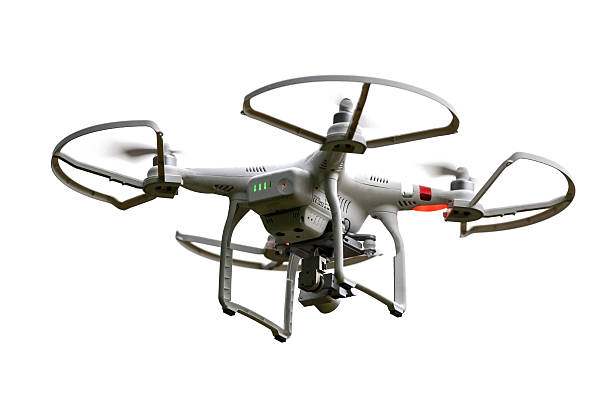
This is the beauty of this technology. It acts as a bridge between a digital design and a physical tool. If your team discovers that a drone wing needs to be reinforced or a mount needs a different shape, they do not have to wait for a factory to update its production lines. They simply change the digital instructions and print the new, improved version in a matter of hours.
Staying Independent in the Field
One of the biggest benefits of this setup is how it changes the mindset of the people using it. When you are dependent on outside help, you tend to be more cautious about how you use your gear. You worry about wear and tear because you know that replacing a broken piece is a long process. With this mobile setup, that worry goes away. Because you can produce your own spares, you are free to push your equipment as hard as the mission requires.
This independence also helps in places where the infrastructure is simply not there. Whether it is a remote base, a disaster zone, or a rugged area where roads are blocked, having the ability to build what you need gives you a level of confidence that traditional logistics cannot provide. Field manufacturing is the most important development in this sector because it removes the stress of inventory management and lets teams focus on their actual work. You stop asking when the next shipment will arrive and start focusing on the task at hand.
Design That Fits the User
The focus is not just on printing plastic parts. The system is designed to work as a complete ecosystem. It includes everything from the finishing stations where parts are cleaned and smoothed to the assembly tools needed to put everything together. The goal is to make it easy enough that a small team can run the entire operation. You do not need to be a master engineer or a factory foreman to make this work. The interface is built to be simple and direct.
By moving production away from a central hub and closer to the actual work, we reduce waste, speed up timelines, and ensure that the final result is exactly what the user needs. It is a smarter way to manage hardware in a world that never stays still.
Looking Toward the Future
This approach to building things is likely to spread far beyond the defense sector. We are already seeing the benefits of decentralized production in areas like humanitarian aid, where remote clinics need custom medical tools, and in construction, where building on site with durable materials is becoming easier. The xCell system is a clear example of how we can rethink the old rules of manufacturing to serve the people on the ground.
When you can manufacture at the point of need, you are no longer limited by the constraints of distance. You are limited only by your imagination and your ability to adapt. As we look at the future of our world, the companies and teams that can move fast and stay flexible are the ones that will come out on top. It is about taking the power of modern design and giving it back to the person who actually needs the finished product.
Conclusion
The old way of manufacturing, which was slow, heavy, and static, has had its day. We are moving into an era where resilience is defined by how quickly we can adapt to our environment. By taking the factory out of the warehouse and putting it into a mobile, flexible container, we solve the biggest weakness in the supply chain: the need to wait. The future is not about building more things in one giant factory. It is about building exactly what we need, right where we are, at the moment it matters most.
Frequently Asked Questions
- What is the xCell system?
It is a mobile manufacturing hub packed into shipping containers. It uses advanced printing tech to build drones, repair parts, and other items directly at your site. - Why is this faster than traditional factories?
Traditional factories require molds and complex shipping routes. This system builds parts layer by layer and skips the need for long-distance transport and warehouse storage. - Do I need a massive team to run it?
No, it is built to be simple. A small team of operators can manage the production process, and the system is largely self-sufficient once it is set up. - Can it run off the grid?
Yes, it is designed to operate anywhere. It works with standard power generators, making it perfect for remote locations or areas with no power grid. - Can it print more than just drones?
While it is built to produce drone parts and full systems, it is a flexible tool. It can print replacement components and specialized tools for various needs in the field. - Is it durable enough for harsh conditions?
The system is housed in rugged containers designed to keep the sensitive printing equipment protected from dust, moisture, and temperature changes, so it stays reliable in tough environments.