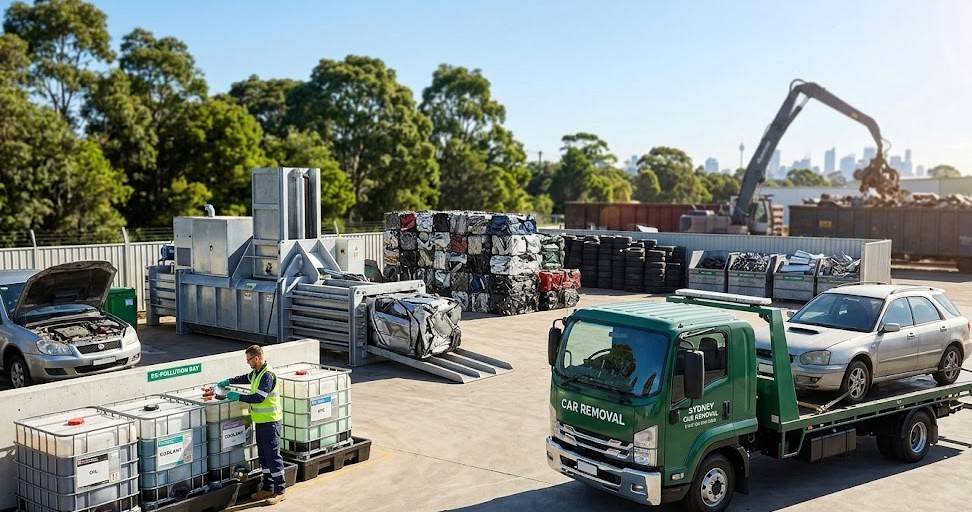
The most effective way to reduce the environmental footprint of an end-of-life vehicle is to engage a professional recycling service. Traditional disposal methods, such as leaving a car to rust in a backyard or abandoning it in a paddock, lead to long-term soil contamination and wasted natural resources. Utilizing a certified wrecker ensures that every part of a vehicle is either repurposed, recycled, or disposed of according to strict NSW environmental regulations.
Understanding the Life Cycle of a Scrapped Vehicle
Car recycling is a sophisticated industrial process that recovers 95% of a vehicle’s materials, including steel, aluminium, and plastics. When a car arrives at a facility like Sydney Car Removal, it undergoes a rigorous de-pollution process before the metal is crushed. This prevents hazardous substances from entering the local ecosystem and provides essential raw materials for new manufacturing.
Preventing Soil and Water Contamination
Old cars act as reservoirs for toxic chemicals that leak into the ground over time. Professional recyclers prevent environmental degradation by immediately draining 5 essential fluids from every vehicle:
-
Engine Oil: Used oil contains heavy metals such as lead and cadmium.
-
Coolant (Antifreeze): Ethylene glycol is poisonous to local wildlife and domestic pets.
-
Brake Fluid: This corrosive liquid damages soil pH levels and kills vegetation.
-
Transmission Fluid: Non-biodegradable lubricants that persist in the water table for decades.
-
Fuel: Leftover petrol or diesel poses a significant fire risk and high soil toxicity.
By extracting these liquids in a controlled environment, the team ensures they are sent to specialised processing facilities rather than leaching into Sydney’s waterways.
The Power of Metal Recycling
Recycling the steel in a car saves 75% of the energy required to manufacture new steel from iron ore. Steel is 100% recyclable, meaning it loses none of its structural integrity regardless of how many times it is processed. Expert car wreckers facilitate this circular economy by preparing car shells for smelting, which significantly reduces the mining industry’s demand for coal and iron ore.
| Resource Saved | Percentage Reduction via Recycling | Environmental Impact |
| Energy Consumption | 75% | Lower Greenhouse Gas Emissions |
| Water Usage | 40% | Preservation of Local Water Reserves |
| Air Pollution | 86% | Improved Air Quality in NSW |
| Water Pollution | 76% | Protection of Aquatic Life |
Reducing the Demand for New Parts
The reuse of functional components is the purest form of recycling because it eliminates the manufacturing energy of a new product. Professional dismantlers identify high-quality spare parts for resale, including:
-
Mechanical Components: Alternators, starter motors, and transmissions.
-
Body Panels: Doors, bonnets, and boot lids that require no extra energy to produce.
-
Interior Fittings: Seats, mirrors, and dashboard electronics.
-
Tyres: Often repurposed for rubber mulch or playground surfaces.
When a mechanic or DIY enthusiast buys a used part, they prevent the carbon emissions associated with the production and international shipping of a brand-new replacement.
Professional Removal vs. Private Sales
Choosing a dedicated removal service is the most environmentally responsible choice for vehicles that are no longer roadworthy. While a private sale might seem appealing, many buyers simply strip the engine and dump the remaining shell and hazardous fluids illegally.
Pros and Cons of Disposal Methods
| Method | Pros | Cons |
| Professional Removal | Instant cash, free towing, 100% eco-friendly. | Requires proof of ownership. |
| Private Sale | Potential for a higher price if the car runs. | High risk of illegal dumping by the buyer. |
| Landfill/Abandonment | Zero effort initially. | Heavy fines and severe environmental damage. |
The Role of Tyres and Batteries
Lead-acid batteries and rubber tyres are 2 of the most difficult items to dispose of safely. A reputable recycling centre ensures that 98% of a car battery is recycled, with the lead being melted down for new batteries. Tyres are diverted from stockpiles—which are notorious fire hazards—and are instead processed into tyre-derived fuel or road base.
Situational Relevance: Why Now?
Scrapping a car is most relevant when the cost of repairs exceeds the vehicle’s market value. In Sydney’s current climate, the push for “Green Cities” means that old, high-emission vehicles are becoming less practical. Specialist services provide a seamless transition for owners to get rid of these vehicles while receiving a fair cash incentive. This model encourages the removal of older, inefficient engines from our roads, leading to a net decrease in city-wide carbon emissions.
How the Process Works
To scrap your car responsibly with Sydney Car Removal, follow these 4 steps:
-
Request a Quote: Provide your car’s make, model, and condition for a fair valuation.
-
Schedule Pick-up: Most removals occur within 24 hours across the metropolitan area.
-
Verification: Present your ID and clear any personal belongings from the cabin.
-
Instant Payment: Receive your funds on the spot as the vehicle is taken for de-pollution.
Clean Up Your Driveway and the Planet
The environmental benefits of professional car recycling extend far beyond a clean driveway. By choosing a dedicated service, you actively participate in the reduction of mining, the prevention of toxic runoff, and the promotion of a sustainable manufacturing cycle in Australia. It is a simple, profitable, and ethically sound way to say goodbye to an old vehicle.
Ready to clear some space? Contact Sydney Car Removal today to get an instant quote and eco-friendly disposal you can trust.