In today’s modern industrial environment, controlling the flow of materials and fluids efficiently is essential for smooth plant operation. Industries such as cement manufacturing, wastewater treatment, power generation, mining, and bulk material handling depend heavily on reliable flow control systems. One of the most effective and widely used solutions for this purpose is the Slide Gate Valve with Electrical Actuator.
Designed for precision, durability, and automation, slide gate valves provide dependable shut-off and regulation of materials under demanding working conditions. When combined with an electrical actuator, these valves offer automated control, improved safety, and higher operational efficiency.
This article explains slide gate valves with electrical actuators in simple, human-friendly language so industries and engineers can clearly understand their working, advantages, applications, and importance in industrial flow control systems.
What is a Slide Gate Valve?
A slide gate valve is an industrial valve used to control or isolate the flow of solid materials, slurry, powders, or liquids. It operates through a sliding gate or plate that moves across the flow path to open or close the passage.
Unlike traditional valves that mainly handle liquids or gases, slide gate valves are specially designed for handling:
-
Cement powder
-
Fly ash
-
Sand and granular materials
-
Wastewater flow
-
Slurry applications
-
Bulk solid discharge systems
The sliding mechanism ensures tight shut-off and smooth operation even in heavy-duty industrial environments.
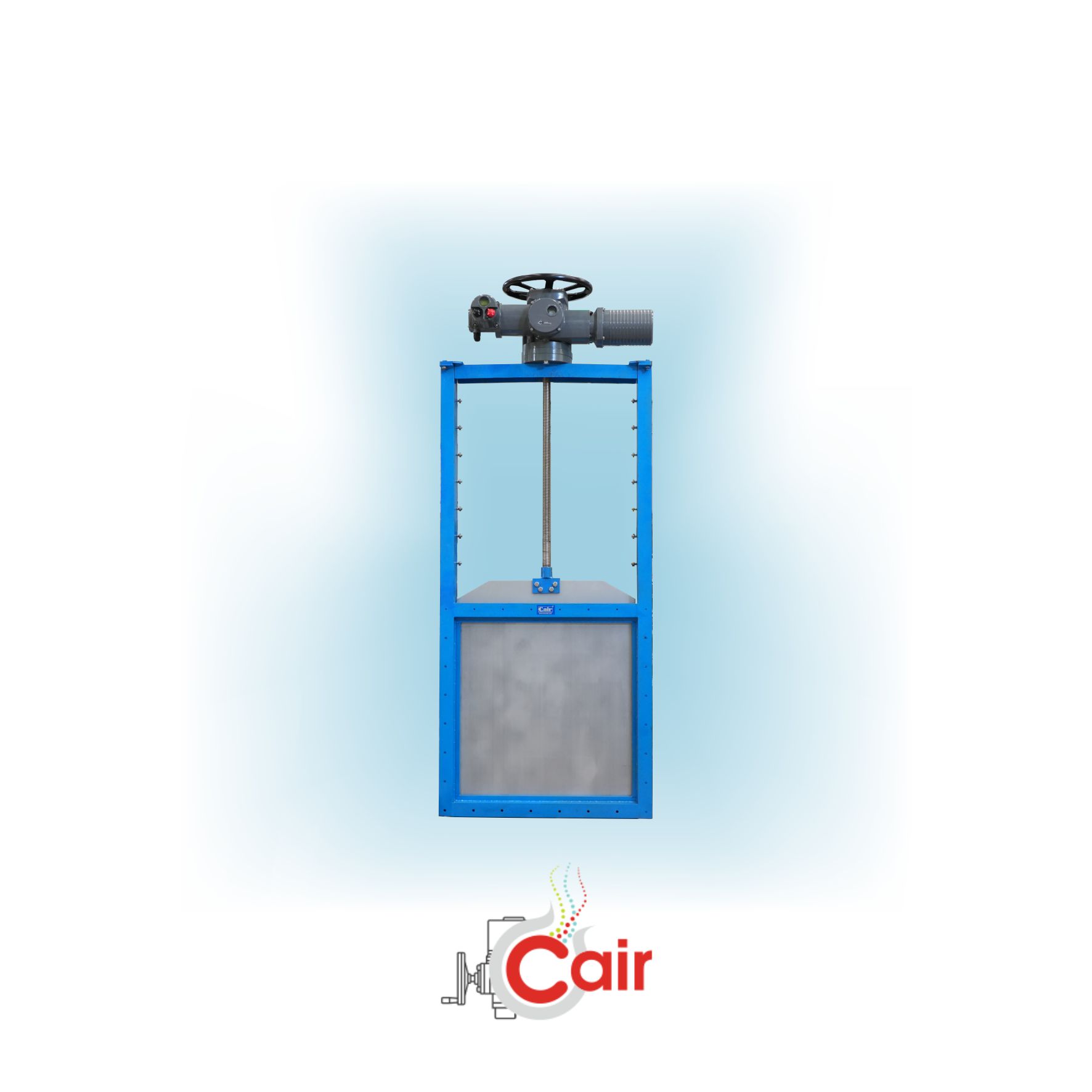 Importance of Electrical Actuator in Slide Gate Valves
Manual valve operation may be suitable for small systems, but modern industries require automation and precision. This is where the electrical actuator becomes essential.
An electrical actuator converts electrical energy into mechanical movement to operate the valve automatically.
How Electrical Actuator Works
-
Control signal is sent from the control panel or automation system.
-
Electric motor inside the actuator starts operating.
-
Gear mechanism converts rotation into linear motion.
-
Slide gate moves upward or downward.
-
Flow is controlled automatically with accurate positioning.
This automated operation eliminates manual effort and improves overall plant performance.
Key Features of Slide Gate Valve with Electrical Actuator
-
Automated opening and closing operation
-
Remote control capability
-
Accurate material flow regulation
-
Heavy-duty industrial construction
-
Leak-resistant sealing performance
-
Suitable for continuous operation
-
Reduced manpower dependency
Electrical actuated slide gate valves are ideal for industries moving toward smart automation systems.
Technical Specifications
Typical industrial slide gate valves are manufactured according to application requirements.
-
Size: As per Requirement
-
Material of Construction (MOC): IS Grade / Mild Steel / Stainless Steel
-
Trim: As per requirement
-
Pressure Rating: Depending upon requirement
-
Temperature Range: -20°C to 180°C (Depending on MOC)
-
Operation Type: Electrical Actuator / Manual Option Available
-
End Connection: Single Channel / Double Channel
Customization allows industries to select the most suitable configuration for their process systems.
Working Principle of Slide Gate Valve with Electrical Actuator
The working process is simple yet highly effective.
When the actuator receives an electrical command, it activates the motor which rotates internal gears. These gears move the sliding plate connected to the valve stem. As the plate moves:
-
Flow passage opens when lifted
-
Flow stops when lowered
-
Partial opening regulates flow rate
Limit switches inside the actuator ensure the valve stops precisely at required positions, preventing over-travel and mechanical damage.
Industrial Applications
Slide gate valves with electrical actuators are widely used across multiple industries.
1. Cement Industry
-
Hopper discharge control
-
Cement and clinker handling
-
Dust collection systems
2. Power Plants
-
Ash handling systems
-
Coal material control
-
Boiler discharge applications
3. Wastewater Treatment Plants
-
Channel flow isolation
-
Water level control
-
Sludge management
4. Mining & Minerals
-
Ore handling systems
-
Bulk material transportation
-
Slurry regulation
5. Food & Grain Industry
-
Grain discharge
-
Powder handling
-
Storage silo applications
6. Chemical Processing Plants
-
Controlled material transfer
-
Process isolation systems
Advantages of Electrical Actuated Slide Gate Valves
1. Automation Efficiency
Electrical actuators enable automatic valve control through PLC or SCADA systems, improving plant productivity.
2. Precise Flow Control
Accurate positioning allows industries to regulate material flow efficiently.
3. Enhanced Safety
Remote operation reduces human exposure to hazardous environments.
4. Reduced Maintenance
Robust construction minimizes wear and operational failures.
5. Energy Efficiency
Electric actuators consume power only during operation, reducing energy costs.
6. Long Service Life
High-quality materials ensure durability even under harsh conditions.
Manual vs Electrical Slide Gate Valve
| Feature | Manual Operation | Electrical Actuator |
|---|---|---|
| Operation Method | Handwheel | Motor Driven |
| Automation | No | Yes |
| Accuracy | Moderate | High |
| Remote Control | Not Available | Available |
| Labor Requirement | High | Low |
| Industrial Automation | Limited | Excellent |
Industries increasingly prefer electrical actuated valves due to automation advantages.
Installation Guidelines
Proper installation plays a major role in valve performance.
Recommended Practices
-
Ensure proper alignment with channel or duct
-
Verify mounting support strength
-
Check electrical wiring safety
-
Perform actuator testing
-
Conduct trial operation before commissioning
Correct installation improves efficiency and operational reliability.
Maintenance Tips for Long Service Life
Regular inspection helps maintain smooth valve operation.
-
Lubricate moving parts periodically
-
Inspect actuator connections
-
Check sealing surfaces
-
Remove accumulated debris
-
Verify limit switch calibration
Preventive maintenance significantly reduces downtime.
Why Industries Prefer Electrical Actuated Slide Gate Valves
Modern manufacturing plants focus on automation, safety, and productivity. Slide gate valves with electrical actuators support these goals by offering:
-
Smart automation compatibility
-
Continuous operation capability
-
Faster response time
-
Reliable shut-off performance
-
Reduced operational errors
They are essential components in automated industrial flow management systems.
Future Trends in Industrial Flow Control
Industrial valve technology continues evolving with advanced automation solutions such as:
-
Smart electric actuators
-
IoT-enabled monitoring systems
-
Remote diagnostics
-
Energy-efficient designs
-
Digital plant integration
Slide gate valves are becoming smarter and more efficient to meet future industrial demands.
Conclusion
A Slide Gate Valve with Electrical Actuator is a powerful solution for modern industrial flow control applications. Combining strong mechanical construction with automated operation, these valves ensure precise regulation, safe shutdown, and long-term reliability.
From wastewater systems to heavy industrial plants, electrically actuated slide gate valves improve operational efficiency while reducing manpower and maintenance costs. Choosing the right valve solution helps industries achieve consistent performance, safety, and productivity in demanding environments.