You rely on school buses to get children to school safely and on time, and understanding how that system works helps you make smarter choices about routes, schedules, and safety. School bus transportation combines coordinated routing, clear regulations, and trained operators to deliver reliable, safe mobility for students across diverse communities.
This article breaks down how bus services are planned, what rules and safety standards govern them, and what options exist if you need to change service or opt out. Expect practical details about eligibility, route planning, and the measures that keep students secure so you can navigate the system with confidence.
Overview of School Bus Transportation
School bus transportation moves students between home and school, manages schedules and routes, and enforces safety and regulatory standards. You’ll find a mix of vehicle types, operational methods, and historical changes that shaped modern systems.
History and Evolution
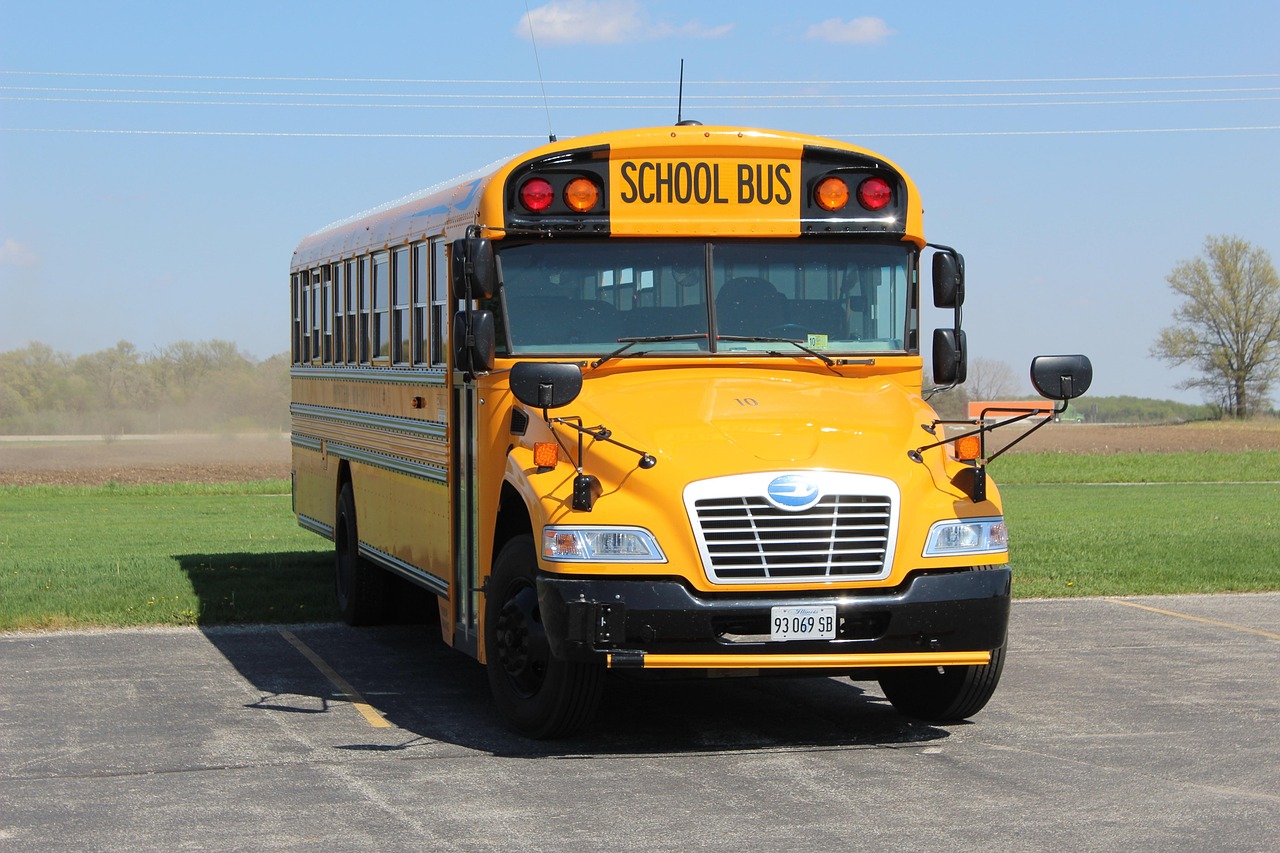
School bus in North America evolved from horse-drawn wagons to purpose-built motorized coaches by the early 20th century. States and provinces gradually adopted standards for vehicle color, build, and equipment to improve visibility and crash protection. Federal and provincial regulations later introduced crashworthiness standards, emergency exits, and safety glazing.
You’ll note technological shifts since the 1990s: GPS-based routing, camera systems for loading/unloading, and telematics for maintenance and driver monitoring. Recent decades saw interest in alternative fuels—diesel to propane, CNG, and electric drivetrains—to reduce emissions and operating costs. Policy responses to incidents prompted added attention to on-board cameras, seat belt policies, and standardized training for drivers and attendants.
Types of School Buses
School buses vary by chassis, capacity, and intended use. The main categories include:
- Type A: Small buses built on cutaway van chassis, used for small routes or specialized transport.
- Type B/C (conventional): Medium-to-large buses with front-engine (Type C) or forward-control (Type B) designs for regular neighborhood routes.
- Type D: Transit-style, large-capacity buses with flat fronts for high-density routes or special services.
You’ll also encounter specialized vehicles: wheelchair-accessible buses with lifts/ramps, activity buses for extracurricular trips, and multi-passenger vans for short runs. Choice depends on route length, student needs, road conditions, and local regulations. Procurement often balances capacity, fuel type, life-cycle cost, and required safety features.
Key Operations and Logistics
Routing and scheduling optimize drive time, student ride-time limits, and vehicle utilization. You’ll use routing software that factors in stop spacing, road speed, student counts, and special needs to minimize deadhead miles and meet policy constraints. Bell times, staggered school starts, and cross-district sharing affect fleet sizing and driver assignments.
Safety and compliance drive daily operations: pre-trip inspections, driver certification, emergency procedures, and camera/monitoring systems. Maintenance scheduling uses telematics for predictive repairs and uptime tracking. Budgets must cover fuel, insurance, training, and spare buses; many districts explore pooled services or contracted operators to control costs.
Safety Standards and Regulations
You will find precise rules for vehicle construction, driver qualifications, and emergency protocols that govern school bus operations. These rules set minimum equipment, inspection, and training requirements you must meet to operate or use school bus services safely.
Government Requirements
Federal and provincial agencies set mandatory construction and equipment standards you must follow for school buses. Requirements commonly include crash-resistant body design, high-visibility signage, functional stop-arms, amber and red warning lights, and occupant protection systems that meet specific testing standards.
Agencies also mandate regular vehicle inspections and maintenance schedules. You should expect pre-trip checks, periodic mechanical inspections, and documented repairs to remain compliant.
Registration and classification rules determine which buses need additional safety features. For example, multifunction activity buses used only for supervised trips may have different stop-arm or seating regulations than standard route buses. Always consult the specific federal and provincial regulations that apply in your jurisdiction.
Driver Training and Certification
Your driver must hold a commercial license with a school-bus endorsement and complete mandated classroom and behind-the-wheel training. Training typically covers defensive driving, student management, special-needs securement, and route-specific hazard assessment.
You should verify drivers complete initial certification plus annual refresher courses. Programs often require a minimum number of training hours, documented behind-the-wheel evaluations, and periodic criminal background and medical checks.
Recordkeeping matters: maintain training logs, license verification, and fitness-for-duty records. This documentation supports compliance during audits and demonstrates that your drivers meet the safety and supervision standards expected for transporting students.
Emergency Procedures
You must have written emergency plans covering evacuation, fire response, medical incidents, and breakdowns. Plans should specify evacuation routes, alternate pickup/drop-off procedures, and communication protocols with schools and emergency services.
Conduct and document regular drills for drivers and students, including use of emergency exits and moving students to safe locations. Equip buses with fire extinguishers, first-aid kits, reflective triangles, and communication devices; check these items during daily inspections.
Assign clear roles: the driver manages vehicle control and evacuation, while an adult supervisor, when present, assists student accountability. Your procedures should include post-incident reporting, parent notification templates, and steps for vehicle removal from service pending inspection.