In today’s competitive property market, a professional online presence is essential for real estate agents.
Most home buyers begin their property search online before contacting an agent. Because of this, a well-designed real estate website has become one of the most powerful marketing tools for agents and agencies.
A modern website allows real estate professionals to showcase property listings, build trust with clients, and generate high-quality leads.
In this article, we explore the most important design trends and features that make some of the best real estate agent websites stand out in the industry.
Why Real Estate Agents Need Professional Websites
Real estate marketing has evolved significantly in recent years. Traditional methods like newspaper ads and brochures are no longer enough.
Today’s property buyers expect:
-
detailed property listings
-
high-quality images
-
virtual tours
-
instant communication options
A professional website helps real estate agents provide all these features in one place.
More importantly, a strong website helps agents build credibility and attract potential clients online.
Key Features of the Best Real Estate Agent Websites
Successful real estate websites share several common features that improve user experience and lead generation.
1. Advanced Property Search
One of the most important features is a powerful property search function.
Visitors should be able to filter listings based on:
-
location
-
price range
-
property type
-
number of bedrooms
-
amenities
This makes it easier for buyers to quickly find properties that match their needs.
2. High-Quality Property Images
Visual content plays a major role in real estate marketing.
Professional real estate websites use:
-
high-resolution images
-
video walkthroughs
-
virtual property tours
-
interactive galleries
These features allow potential buyers to explore properties online before scheduling a visit.
3. Detailed Property Listings
Each property listing should provide clear and detailed information.
Important elements include:
-
property description
-
price and location
-
floor plans
-
neighborhood details
-
contact information
Providing comprehensive information helps buyers make informed decisions.
4. Agent Profiles
Personal branding is very important in the real estate industry.
Successful real estate websites highlight agent profiles that include:
-
professional experience
-
certifications
-
areas of expertise
-
client testimonials
This helps build trust with potential clients.
5. Lead Generation Forms
Real estate websites are designed to capture leads.
Common lead generation elements include:
-
contact forms
-
Property inquiry forms
-
newsletter signups
-
consultation booking
These tools help agents convert website visitors into potential clients.
Modern Design Trends in Real Estate Websites
Website design trends in the real estate industry continue to evolve as technology improves.
Here are some of the most common trends seen in the best real estate agent websites.
1. Full-Screen Property Images
Many modern real estate websites use large hero images that showcase featured properties.
This creates a strong first impression and immediately grabs attention.
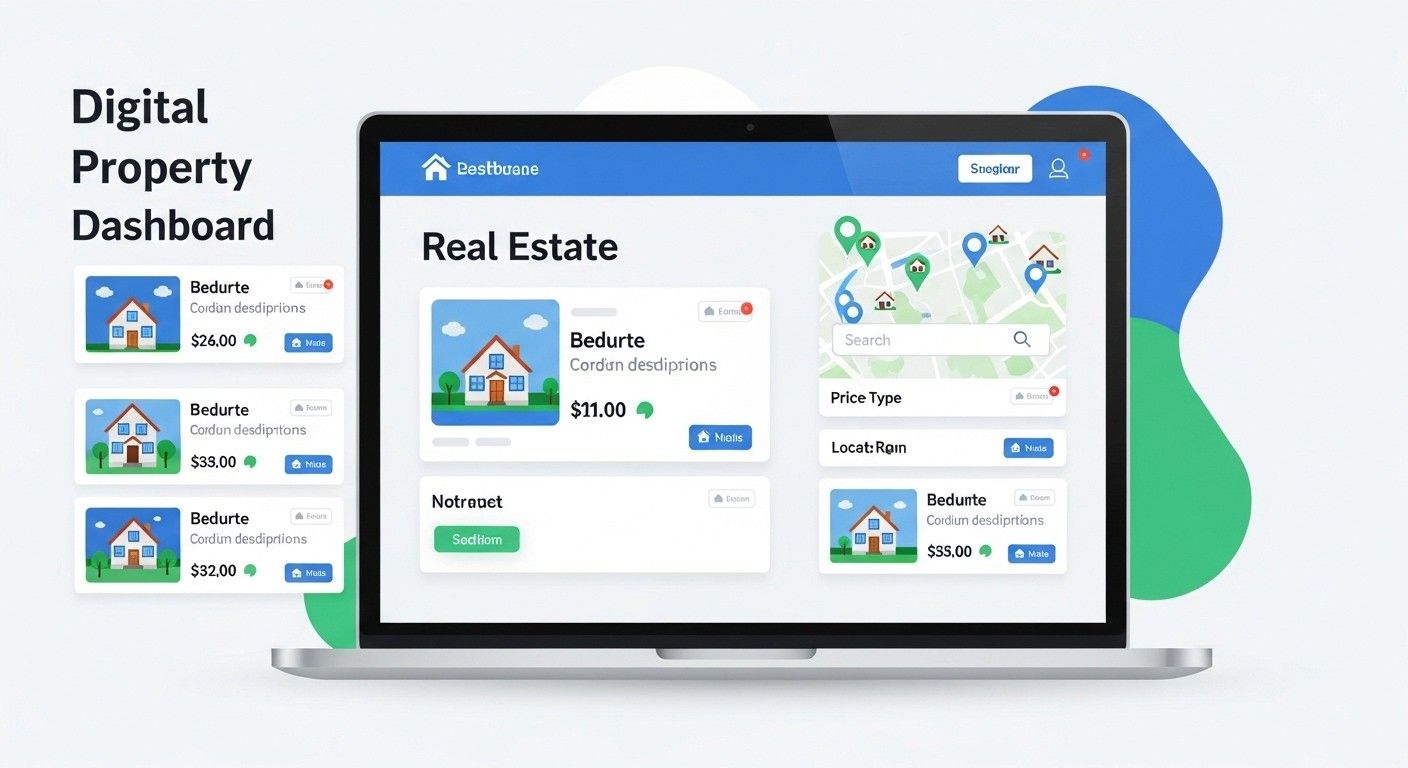
2. Interactive Maps
Interactive maps allow users to explore property locations visually.
This feature helps buyers understand the surrounding area and nearby amenities.
3. Minimal and Elegant Layouts
Modern real estate websites focus on clean layouts and simple navigation.
This design style makes property listings easier to browse and improves the overall user experience.
4. Mobile-Friendly Interfaces
More than half of property searches now happen on mobile devices.
Mobile-responsive design ensures that listings and images display properly on smartphones and tablets.
Why Businesses Study Real Estate Website Examples
Many real estate agencies look at existing websites before designing their own platform.
Studying successful websites helps them understand:
-
effective page layouts
-
property listing structures
-
lead generation strategies
-
design elements that attract buyers
By analyzing the best real estate agent websites, businesses can gain valuable insights and inspiration for building their own online platforms.
Tips for Creating an Effective Real Estate Website
If you’re planning to build a real estate website, consider these important tips.
Focus on Visual Content
Real estate is a highly visual industry.
High-quality images and videos are essential for showcasing properties effectively.
Optimize for Local SEO
Most property buyers search for homes in specific locations.
Optimizing your website for local search terms helps attract nearby buyers.
Provide Easy Contact Options
Visitors should be able to contact agents quickly.
Include:
-
phone numbers
-
contact forms
-
chat options
These features improve lead generation.
Keep Navigation Simple
A clear and organized menu structure helps users browse listings easily.
This improves user experience and reduces bounce rates.
The Future of Real Estate Websites
Technology is transforming the real estate industry.
Future real estate websites will increasingly use:
-
AI-powered property recommendations
-
virtual reality home tours
-
interactive property visualization
-
automated chat assistants
These technologies will make property searching more immersive and convenient.
Final Thoughts
In the modern real estate industry, having a professional website is no longer optional — it’s essential.
A well-designed real estate website helps agents showcase properties, build credibility, and generate high-quality leads.
By studying the top real estate agent websites, real estate professionals can gain inspiration and apply proven design strategies to their own platforms.
With the right combination of design, functionality, and user experience, a real estate website can become one of the most powerful tools for attracting property buyers and growing a real estate business.