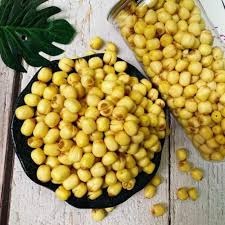
Lotus seeds, also known as makhana or fox nuts, have long been revered in traditional Indian medicine and cuisine for their health benefits. In 2025, they are making a strong comeback as a superfood, often promoted for weight management, anti-ageing, and heart health. However, as demand surges, so does the risk of adulteration. Many commercially available lotus seeds are being processed using harmful chemicals or blended with inferior-quality batches—reducing their nutritional value and possibly posing health risks.
This article explores the nutritional benefits of lotus seeds, the rising issue of adulteration, how they compare to other seeds like sesame, and how to ensure you purchase only high-quality, unadulterated products.
What are lotus seeds
Lotus seeds are harvested from the seed pods of the lotus flower (Nelumbo nucifera). Once extracted and dried, the seeds become crispy, white or light beige puffs commonly found in Indian snacks. Their subtle flavour and crunchy texture make them popular for both savoury and sweet dishes. More importantly, they are nutrient-rich, gluten-free, low in calories, and high in antioxidants.
Due to their medicinal properties, lotus seeds are often recommended in Ayurvedic and Chinese traditional medicine for kidney health, blood sugar regulation, and inflammation reduction.
Nutritional benefits of lotus seeds
1. Rich in protein and low in fat
Lotus seeds are an excellent source of plant-based protein, making them suitable for vegetarians and vegans. They contain negligible fat and have a low glycaemic index, which helps in controlling hunger without spiking blood sugar levels.
2. High in antioxidants
The seeds are rich in flavonoids, alkaloids, and saponins—natural antioxidants that combat oxidative stress and may help reduce the risk of chronic diseases such as diabetes, hypertension, and cancer.
3. Supports heart health
Their magnesium content aids in regulating blood pressure and promoting cardiovascular health. Regular consumption may reduce LDL cholesterol levels and improve blood vessel elasticity.
4. Anti-ageing and skin health
Due to the presence of kaempferol, a natural flavonoid, lotus seeds are believed to help slow down ageing, repair damaged proteins, and maintain skin elasticity.
5. Good for digestion
Their fibre content supports bowel regularity and gut health, making them a great option for people with digestive issues.
Rising issue of adulteration in lotus seeds
With rising popularity comes a concerning increase in adulteration. Unscrupulous vendors may:
- Mix inferior quality or damaged seeds with high-grade ones
- Use bleaching agents or synthetic polish to enhance whiteness and appeal
- Pack old or expired seeds in fresh packaging
- Sell seeds with residual pesticides or chemical preservatives
These practices not only reduce the nutritional benefits of lotus seeds but may also lead to digestive problems, skin irritations, and long-term toxicity.
How to identify adulterated lotus seeds
To safeguard your health, look for the following signs of adulteration:
- Excessively white or shiny appearance: May indicate chemical bleaching
- Unusual odour or bitter taste: Signals chemical residue
- Too hard or uneven texture: Suggests poor processing
- Excessive powdery coating: May come from starch fillers or old stock
Choosing certified organic or reputable brands can significantly reduce the risk of adulteration. Always check for FSSAI certification and batch expiry dates.
Buying tips for better quality lotus seeds
1. Choose trusted sources
Purchase from established health food stores, reputed online platforms, or directly from certified organic producers. Avoid unpackaged or loose seeds from roadside vendors.
2. Check packaging and labelling
Ensure the packaging is intact, has clear labelling of ingredients, manufacturing date, expiry date, and certifications such as USDA Organic or India Organic.
3. Taste test before bulk buying
Buy a small pack first and assess the texture, taste, and aroma. High-quality lotus seeds will be light, crisp, and mildly nutty without any bitter or chemical aftertaste.
4. Storage matters
Store seeds in airtight containers in a cool, dry place to retain freshness and avoid spoilage due to humidity or insects.
How lotus seeds compare with sesame seeds
Like lotus seeds, sesame seeds are also nutrient-dense and have been used in Indian households for centuries. Understanding the benefit of eating sesame seeds helps highlight how both these seeds can complement each other in a balanced diet.
| Nutrient | Lotus Seeds | Sesame Seeds |
| Protein | Moderate | High |
| Fibre | Good | Excellent |
| Antioxidants | High | High |
| Calcium | Low | High |
| Fat content | Very Low | High (Healthy fats) |
| Iron | Moderate | High |
Benefit of eating sesame seeds:
- Improve bone density and joint health due to high calcium
- Promote heart health through healthy fats (omega-6 and lignans)
- Regulate hormones in women, especially during menopause
- Support hair and skin health with rich zinc and vitamin E content
- Aid in liver detox and lower oxidative stress
Combining lotus seeds and sesame seeds in your diet provides a well-rounded intake of essential nutrients, antioxidants, and health-promoting compounds.
Ways to include lotus seeds in your diet
- Roast them lightly with ghee and rock salt for a healthy snack
- Add them to curries or gravies for crunch
- Use them in homemade energy bars or granola mixes
- Soak and grind them to make nutritious porridge or baby food
- Sweeten them with jaggery and dry fruits for traditional Indian desserts
Consuming 25–30 grams of lotus seeds a day is generally considered beneficial for adults.
Conclusion
While lotus seeds offer significant health advantages, the growing issue of adulteration necessitates caution when purchasing. Ensuring you buy from verified, certified sources is key to reaping the full nutritional value and avoiding harmful additives. Their subtle taste, low-calorie profile, and antioxidant properties make them a versatile and powerful addition to any diet.
Pairing lotus seeds with other superfoods—such as understanding the benefit of eating sesame seeds—can further enhance your nutritional intake, offering a holistic approach to wellness. Always stay informed, read labels, and choose quality over convenience for lasting health.