Materials that perform well in the lab often struggle in real-world environments. They may crack under stress, separate during processing, or fail to bond properly with other components. Because of these challenges, engineers increasingly focus on surface chemistry, not just base material strength. One surface-modified material gaining steady attention across industries is carboxyl graphene.
Rather than changing graphene’s core structure, carboxyl functionalization improves how graphene interacts with surrounding materials. This subtle adjustment delivers meaningful gains in dispersion, bonding, and durability.
As a result, manufacturers can enhance performance without redesigning entire systems. This article explains how carboxyl graphene works, why it matters, and where it delivers real value today.
Understanding Carboxyl Functionalization in Graphene
Graphene consists of carbon atoms arranged in a tightly bonded lattice. While this structure provides exceptional strength and conductivity, it also creates a challenge. Pure graphene resists interaction with most liquids and polymers, which leads to agglomeration during mixing.
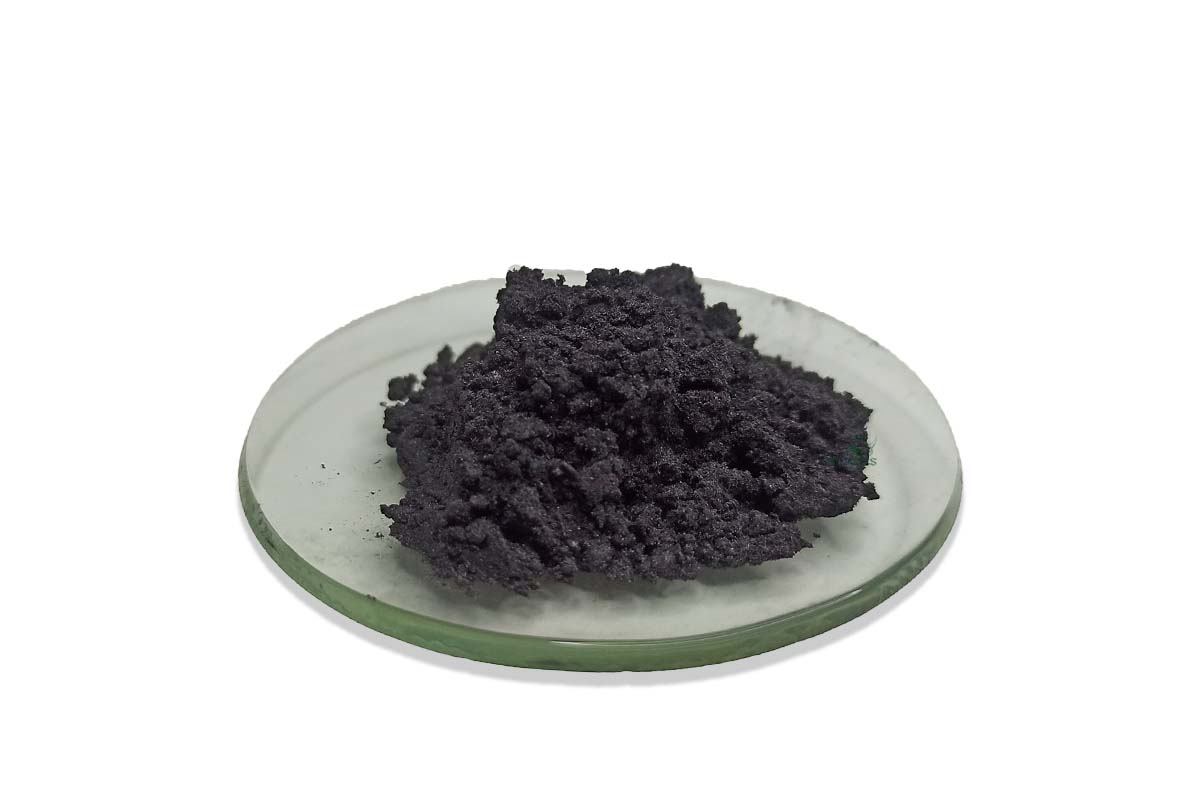
Carboxyl functionalization solves this issue by attaching –COOH groups to graphene’s surface and edges. These groups introduce polarity and chemical activity. Because of this, graphene sheets interact more easily with water, resins, binders, and polymers. The result is a material that integrates smoothly rather than clumping together.
Importantly, the carbon lattice remains intact. Therefore, graphene keeps its mechanical and conductive advantages while gaining improved compatibility.
Why Dispersion Plays a Critical Role in Performance?
Many advanced materials fail not because of weak ingredients, but because those ingredients distribute unevenly. When graphene clumps, stress concentrates in specific regions. Over time, this leads to cracks, delamination, or early fatigue.
Carboxyl Graphene improves dispersion by forming stable interactions with surrounding molecules. As mixing occurs, the carboxyl groups prevent sheets from stacking tightly. Consequently, graphene spreads more evenly throughout the host material.
This uniform distribution allows stress to transfer efficiently across the structure. Because stress no longer concentrates in isolated areas, materials perform more consistently under load, vibration, or repeated use.
Stronger Interfacial Bonding With Other Materials
Bonding between reinforcement and matrix determines long-term durability. Weak interfaces often become failure points. Carboxyl groups directly address this issue.
These functional groups form hydrogen bonds or covalent interactions with polymers, cement phases, and metal oxides. Therefore, graphene no longer acts as a passive filler. Instead, it becomes an active reinforcement element within the structure.
This improved interface leads to:
- Higher tensile and flexural strength
- Better crack resistance
- Reduced material separation over time
Because of this behavior, Carboxyl Graphene performs especially well in composite systems where adhesion determines lifespan.
Performance Improvements Across Key Material Properties
Carboxyl-functionalized graphene influences several performance characteristics simultaneously. These gains explain its growing adoption.
- Even small additions improve load-bearing capacity. Stress is distributed more evenly, which reduces micro-crack formation during repeated loading.
- Materials reinforced with carboxyl graphene resist degradation during long-term cycling. As a result, components maintain structural integrity for longer periods.
- Carboxyl groups improve resistance to moisture-related degradation. This feature becomes particularly valuable in outdoor or chemically exposed environments.
Practical Tips for Working With Carboxyl Graphene
Successful implementation requires more than material selection. Processing choices matter just as much.
Match Functionalization to the Matrix
Carboxyl groups interact well with polar systems. Therefore, they perform best in water-based dispersions, polymers, cementitious materials, and certain binders.
Optimize Loading Levels
Higher concentrations do not always improve performance. Instead, optimal dispersion at lower loadings often delivers the best balance of strength and flexibility.
Use Controlled Mixing Techniques
High-shear mixing or sonication helps distribute graphene evenly. Because dispersion quality determines results, processing consistency remains critical.
Real-World Applications Showing Measurable Gains
Carboxyl graphene has moved beyond research environments into practical applications.
Polymer Composites
Manufacturers use Carboxyl Graphene to improve tensile strength and impact resistance in plastics and elastomers. These enhancements support a lightweight yet durable product design.
Coatings and Surface Treatments
Functionalized graphene improves adhesion and barrier performance in protective coatings. As a result, surfaces resist corrosion, wear, and moisture ingress more effectively.
Cement and Construction Materials
In cement-based systems, carboxyl graphene enhances crack control and durability. It improves bonding within the matrix, which supports longer service life under mechanical stress.
Sensors and Functional Films
Better dispersion and surface activity improve sensitivity and stability in sensing applications. These properties help maintain signal reliability over time.
Supporting Innovation Through Material Research
Ongoing research continues to refine functionalized graphene production and performance optimization. Material suppliers and research organizations play a key role in translating laboratory findings into scalable solutions.
Organizations such as ACS Material support industrial applications by developing graphene variants tailored for composites, coatings, and construction systems. Their work helps ensure consistent quality and predictable performance outcomes.
Clarifying Common Misunderstandings About Carboxyl Graphene
New materials often raise reasonable doubts, especially when they involve surface chemistry. Carboxyl graphene is no exception. Some assume that chemical modification weakens graphene or complicates processing. In practice, the opposite tends to happen.
Carboxyl functionalization preserves graphene’s carbon framework while improving how it interacts with surrounding materials. Because the surface becomes chemically active, dispersion improves rather than becoming harder to manage. This smoother integration often simplifies processing steps instead of adding complexity.
Others worry about consistency at scale. However, advances in production and quality control now allow carboxyl graphene to deliver reliable performance across batches. When manufacturers follow proper dispersion methods, results remain predictable and repeatable, even in large-volume applications.
Overall, most concerns stem from unfamiliarity rather than performance limitations. Once engineers evaluate carboxyl graphene within real formulations, its benefits become clear through measurable gains in strength, stability, and durability.
Conclusion
Carboxyl graphene improves material performance by solving one of the most persistent engineering challenges: weak interaction between reinforcement and the surrounding matrix.
Promoting uniform dispersion, strengthening interfacial bonding, and improving long-term durability, it allows materials to perform more consistently under real operating conditions.
These advantages lead to longer service life, lower failure risk, and more efficient use of raw materials. As industries continue to prioritize reliability, cost control, and performance optimization, carboxyl graphene emerges as a practical, scalable, and proven reinforcement solution across multiple applications.