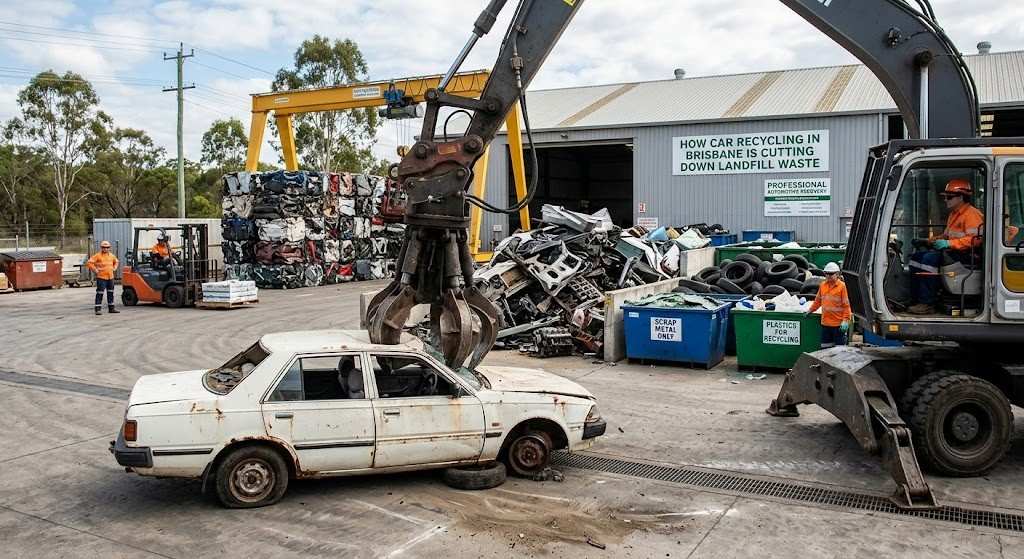
Car recycling in Brisbane reduces landfill waste by diverting thousands of tonnes of ferrous and non-ferrous metals, plastics, and toxic fluids into sustainable processing streams. This circular economy model ensures that end-of-life vehicles contribute to manufacturing rather than environmental degradation.
As Queensland’s population grows, the number of vehicles reaching the end of their functional life increases. Traditional disposal methods—such as abandoning cars on rural properties or sending them to general waste facilities—result in long-term soil contamination and resource depletion. Modern automotive recycling provides a structured alternative that prioritises resource recovery.
The Environmental Impact of Automotive Waste
Automotive waste constitutes a significant portion of industrial refuse in Australia. When a vehicle is improperly discarded, it introduces hazardous materials into the ecosystem.
-
Heavy Metals: Lead, mercury, and cadmium from batteries and electronics leach into the water table.
-
Fluid Contamination: A single car contains 5 to 10 litres of hazardous fluids, including engine oil, coolant, brake fluid, and transmission oil.
-
Non-Biodegradables: Synthetic rubbers, seat foams, and reinforced plastics persist in landfills for over 500 years.
By choosing professional recycling, Brisbane residents prevent these materials from entering the local environment.
Key Features of the Brisbane Car Recycling Process
The recycling process is a technical operation designed to maximise material recovery. It involves 4 distinct stages to ensure every component is handled according to its chemical and physical properties.
| Stage | Action Taken | Primary Goal |
| Depollution | Removal of all hazardous liquids and gases. | Environmental safety and fire prevention. |
| Dismantling | Extraction of high-value parts (engines, alternators, starters). | Promoting the second-hand parts market. |
| Shredding | Mechanical breaking of the remaining chassis. | Separating metals from glass and plastics. |
| Resource Recovery | Sorting of ferrous (iron/steel) and non-ferrous (aluminium/copper) metals. | Supplying raw materials to foundries. |
Functions of Modern Recycling Facilities
Recycling facilities function as urban mines, extracting valuable commodities from what others perceive as junk.
-
Metals Reclamation: Roughly 75% of a car’s weight is metal. Recycling steel uses 74% less energy than producing it from raw iron ore.
-
Parts Refurbishment: Functional components like gearboxes, doors, and lights are cleaned and resold. This reduces the demand for new manufacturing.
-
Hazardous Waste Management: Facilities use specialised vacuum systems to extract fluids, which are then sent to chemical treatment plants for neutralisation or refinement.
Use Cases for Car Recycling Services
Brisbane motorists utilise recycling services for various situational needs. These services cater to vehicles that are no longer roadworthy or financially viable to maintain.
-
Totalled Vehicles: Cars involved in major accidents where the cost of repair exceeds the market value.
-
Mechanical Failure: Older models with blown head gaskets, seized engines, or failed transmissions.
-
Abandoned Property: Landlords or homeowners clearing out old vehicles left by previous tenants.
-
Unwanted Upgrades: Owners transitioning to electric vehicles (EVs) who have an old petrol car that is difficult to sell privately.
Pros and Cons of Professional Car Disposal
Evaluating the benefits and drawbacks of the recycling model helps owners make informed decisions.
Pros
-
Financial Return: Owners receive immediate payment based on the current market value of scrap steel and salvageable parts.
-
Convenience: Professional services include free towing, removing the logistical burden from the seller.
-
Space Reclamation: Removing a non-functional car clears space in garages or driveways for functional assets.
-
Regulatory Compliance: Recycling ensures the vehicle is de-registered correctly, avoiding future fines or liability.
Cons
-
Variable Pricing: The payout fluctuates based on global commodity prices for steel and aluminium.
-
Emotional Attachment: Sentimental value is not factored into the scrap or salvage price.
Situational Relevance: Why Brisbane Needs Local Recyclers
Brisbane’s unique climate and geography make local recycling essential. High humidity and coastal salt air accelerate oxidation (rust) in older vehicles. Once rust compromises the structural integrity of a chassis, the car becomes a safety hazard.
Furthermore, Brisbane’s proximity to sensitive areas like Moreton Bay means that preventing oil runoff from “backyard wrecks” is a matter of protecting local marine life. Engaging a reputable service like Cash For Unwanted Cars Brisbane ensures that these risks are mitigated through professional handling and rapid removal.
learn more: https://www.cashforunwantedcars.com.au/
Target Audience for Car Recycling Information
This information serves 3 primary groups within the South East Queensland region.
-
Environmentally Conscious Consumers: Individuals who prioritise the “Reduce, Reuse, Recycle” hierarchy and want to ensure their old vehicle doesn’t harm the planet.
-
Budget-Conscious Households: Families looking to liquidate a non-functional asset to cover immediate expenses or a new car deposit.
-
Property Managers and Developers: Professionals who need to clear land quickly and legally for construction or new tenancies.
The Economic Value of Scrap Metal
The financial incentive for car recycling is driven by the global demand for recycled materials. Using specific metrics highlights the efficiency of this industry:
-
2,300kg of iron ore and 120kg of limestone are saved for every 1,000kg of steel recycled.
-
Recycled aluminium requires only 5% of the energy needed to produce primary aluminium from bauxite.
-
Modern shredder technology recovers up to 98% of the metal content in a standard sedan.
How to Prepare Your Car for Recycling
To facilitate a smooth recycling process, follow these 4 steps.
-
Remove Personal Belongings: Check under seats, in the glove box, and in the boot for items like sunglasses, E-toll tags, and paperwork.
-
Check the Spare Tyre: While the car is being scrapped, ensure the spare tyre and jack are still in the vehicle as they contribute to the weight.
-
Gather Documentation: Have your photo ID and proof of ownership ready to satisfy Queensland’s metal recycling laws.
-
Clear the Access Way: Ensure the tow truck has a clear path to the vehicle to prevent delays or safety issues during the winching process.
Conclusion
Car recycling in Brisbane is a vital pillar of the city’s waste management strategy. By transforming “junk” into valuable raw materials, the industry prevents environmental contamination and supports the manufacturing sector. Whether the motivation is environmental responsibility or financial gain, the result is the same: a cleaner, more sustainable Brisbane.