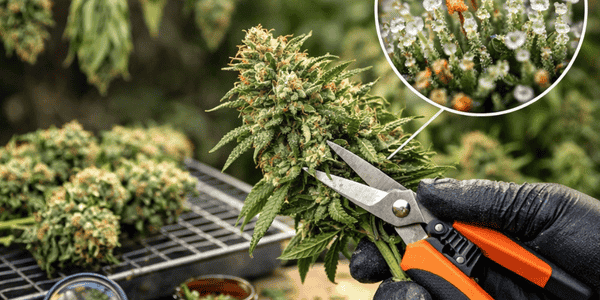
To harvest cannabis correctly is one of the most important stages in the entire cultivation process. Months of careful planting, watering, feeding, and monitoring finally lead to this crucial moment when the plant reaches maturity. If growers harvest too early, they risk losing potency and flavor. If they wait too long, the cannabinoids may degrade and the quality can drop.
Because of this, understanding how to harvest cannabis at the right time and with the proper techniques is essential for anyone involved in cannabis cultivation. Professional growers and hobby cultivators alike know that the harvest stage directly affects the final product’s potency, aroma, and overall value.
This guide explains the full process of harvesting cannabis, including how to identify the right harvest time, which tools to use, how to cut plants properly, and the best ways to preserve quality after harvest.
Understanding the Cannabis Harvest Process
Harvesting cannabis is not simply cutting down a plant. It is a careful process that requires attention to timing, plant condition, and environmental factors.
Cannabis plants go through several stages during their lifecycle: germination, vegetative growth, flowering, and finally harvest. The flowering stage is when the plant produces resin-rich buds that contain cannabinoids such as THC and CBD.
When growers harvest cannabis, they must ensure that the buds have reached peak maturity. This moment is when cannabinoid levels are at their highest and the plant’s aroma and terpene profile are fully developed.
A properly harvested plant can produce high-quality buds that are dense, aromatic, and potent. On the other hand, poor harvesting techniques can damage trichomes, reduce flavor, and lower overall yield.
Signs That It’s Time to Harvest Cannabis
One of the biggest challenges growers face is determining the exact moment to harvest. While growers often rely on estimated flowering times, visual signs from the plant provide the most accurate indicators.
Trichome Color
Trichomes are tiny crystal-like structures that cover cannabis buds. These contain cannabinoids and terpenes responsible for potency and aroma.
When growers prepare to harvest cannabis, they closely observe trichome color:
-
Clear trichomes indicate the plant is still immature.
-
Milky or cloudy trichomes signal peak potency.
-
Amber trichomes suggest cannabinoids are beginning to degrade.
Most growers choose to harvest when trichomes are mostly cloudy with a small percentage turning amber.
Pistil Changes
Pistils are the small hair-like structures on cannabis buds. Early in flowering, these pistils are white. As the plant matures, they darken and curl inward.
When around 70–90% of pistils have darkened, it often indicates that the plant is approaching harvest readiness.
Leaf Yellowing
During the final stage of flowering, many cannabis plants begin to show yellowing leaves. This happens because the plant directs its energy toward bud production rather than leaf growth. While not a definitive indicator, it often appears around harvest time.
Preparing to Harvest Cannabis
Before growers harvest cannabis, they should prepare their workspace and tools. Proper preparation prevents contamination and protects the quality of the buds.
Essential Tools
To harvest cannabis effectively, growers typically use:
-
Sharp pruning scissors
-
Protective gloves
-
Drying racks or hanging lines
-
Clean containers for buds
Using clean and sharp tools ensures clean cuts and prevents damage to delicate flowers.
Preparing the Environment
The harvest environment should be clean, dry, and well-ventilated. Good airflow prevents mold growth and helps preserve terpene content.
Professional growers often harvest in a controlled indoor space to ensure consistent temperature and humidity.
Techniques to Harvest Cannabis
There are several methods growers use to harvest cannabis, depending on the plant size and cultivation style.
Whole Plant Harvesting
In this method, growers cut the entire plant from the base. The plant is then hung upside down to dry.
This approach is common among small-scale cultivators because it is simple and allows the plant to dry evenly.
Branch-by-Branch Harvesting
Some growers prefer cutting individual branches instead of removing the entire plant. This method allows them to harvest mature branches first while letting others continue developing.
This technique is especially useful when buds on the plant mature at different times.
Selective Bud Harvesting
In selective harvesting, growers remove only the most mature buds from the plant. The remaining buds continue to grow for another week or two.
This approach maximizes yield and ensures each bud reaches peak maturity before being harvested.
Trimming After You Harvest Cannabis
Once growers harvest cannabis, trimming becomes the next important step. Trimming removes excess leaves and improves the appearance, flavor, and burn quality of the buds.
Wet Trimming
Wet trimming occurs immediately after harvesting while the plant is still fresh.
Growers remove the large fan leaves and smaller sugar leaves surrounding the buds. This method is faster and helps prevent mold in humid environments.
Dry Trimming
Dry trimming is done after the plant has been dried for several days. Growers hang the branches first and trim them later.
This technique preserves terpenes better and often produces smoother smoke.
Drying Cannabis After Harvest
Drying is a critical step that follows when growers harvest cannabis. Improper drying can ruin months of cultivation work.
Cannabis buds should be dried slowly in a controlled environment with moderate humidity and temperatures around 18–22°C (65–72°F). Proper drying usually takes 7 to 14 days.
During drying, moisture gradually leaves the buds while preserving cannabinoids and aromatic compounds.
Growers know the buds are ready for curing when small stems snap rather than bend.
Curing: The Final Step After Harvest
Curing is often overlooked, but it plays a major role in improving the quality of cannabis after harvest.
After growers harvest cannabis and complete the drying stage, buds are placed in airtight glass jars. These jars are stored in a cool, dark place and opened daily during the first weeks to release excess moisture.
The curing process typically lasts two to four weeks, although longer curing periods can further enhance flavor and smoothness.
Properly cured cannabis produces a richer aroma and a more balanced smoking experience.
Common Mistakes When Harvesting Cannabis
Many growers make mistakes when they harvest cannabis, especially beginners who rely only on estimated harvest dates.
One common mistake is harvesting too early. This can result in lower potency and underdeveloped flavors. Another issue occurs when growers wait too long, causing THC levels to degrade.
Handling buds roughly during harvest is another mistake. Trichomes are fragile, and excessive handling can remove these valuable resin glands.
Poor drying conditions can also lead to mold, which may destroy entire batches of harvested cannabis.
Avoiding these mistakes helps ensure the final product meets high-quality standards.
Tips for a Successful Cannabis Harvest
Successful growers follow several best practices when they harvest cannabis.
First, patience is essential. Waiting for the correct trichome color ensures the highest potency.
Second, always harvest during the plant’s dark cycle if possible. Some growers believe this helps preserve terpene content.
Third, maintain a clean working area to prevent contamination and mold.
Finally, handle buds gently and minimize unnecessary touching to protect the delicate trichomes.
Conclusion
Learning how to properly harvest cannabis is essential for achieving high-quality results. After months of nurturing plants, the harvest stage determines whether those efforts produce exceptional buds or disappointing outcomes.
By paying attention to trichome color, pistil development, and plant maturity, growers can identify the perfect harvest window. Using clean tools, careful cutting techniques, and proper trimming methods further protects the plant’s valuable compounds.
Equally important are the drying and curing stages, which enhance flavor, potency, and overall quality. When done correctly, these final steps transform freshly harvested buds into a premium product.
For anyone involved in cannabis cultivation, mastering the process to harvest cannabis ensures that every plant reaches its full potential.