A Thought Leadership Perspective by Digilog
Healthcare systems across emerging markets are undergoing a fundamental transformation. As patient volumes increase and expectations shift toward faster, more transparent service, clinics can no longer rely on manual processes to manage patient flow.
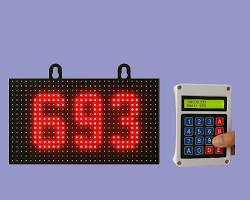
The conversation around the clinic token display machine is evolving from a discussion about convenience to one about operational resilience and patient experience strategy. For healthcare leaders and administrators, queue management technology is rapidly becoming a core component of modern clinical infrastructure.
At Digilog, our work with healthcare providers has revealed a consistent pattern: clinics that invest in structured patient flow systems achieve measurable improvements in efficiency, satisfaction, and staff productivity.
A Strong Perspective: Patient Flow Is a Clinical Performance Indicator
Many healthcare facilities still view waiting areas as administrative spaces rather than strategic touchpoints. This mindset overlooks a crucial truth: how patients experience waiting directly influences their perception of care quality.
Unstructured queues create confusion, increase anxiety, and add pressure on front-desk staff. Conversely, a clinic token display machine introduces order, transparency, and predictability — elements that contribute to a calmer environment and smoother operations.
In modern healthcare management, patient flow should be treated as a performance metric, just like treatment outcomes or service times. Leaders who prioritize this area are better positioned to deliver consistent, patient-centered care.
Industry Insight: The Rising Demand for Queue Management in Clinics
Healthcare demand across Pakistan continues to grow due to urbanization, population increase, and expanded access to private healthcare. This growth is driving clinics to rethink operational models.
1. Increasing Patient Volumes
Outpatient departments and specialty clinics often manage high daily footfall, making manual queue handling inefficient.
2. Need for Transparent Service Processes
Patients increasingly expect clarity regarding waiting times and service order, especially in competitive private healthcare markets.
3. Staff Efficiency Pressures
Front-desk teams must balance registration, inquiries, and coordination — tasks that become overwhelming without automated systems.
These factors are making token display machines an essential tool for clinics seeking operational stability.
Beyond Queue Control: The Strategic Benefits
Modern clinic token systems do far more than display numbers. They enable healthcare providers to optimize workflows and enhance the overall care environment.
Improved Patient Experience
Clear visual and audio calling systems reduce confusion and perceived wait times.
Enhanced Staff Productivity
Automated queue management allows staff to focus on patient interaction rather than crowd control.
Better Space Utilization
Structured patient flow reduces congestion and improves waiting area comfort.
Operational Insights
Advanced systems provide data on service times and peak periods, helping administrators optimize scheduling and staffing.
These benefits collectively contribute to higher service quality and operational efficiency.
Real-World Examples: Measurable Outcomes in Clinical Settings
Multi-Specialty Clinic Efficiency Gains
A busy multi-specialty clinic implemented a token display machine to manage patient flow across departments.
Results:
- Reduced waiting area congestion
- Improved coordination between reception and consultation rooms
- More predictable patient movement
This created a smoother experience for both patients and medical staff.
Diagnostic Center Workflow Optimization
A diagnostic facility experiencing long queues introduced a digital token system with audio announcements.
Impact:
- Faster patient processing
- Reduced staff interruptions
- Improved overall service perception
Patients reported a more organized and professional environment.
Specialty Practice Patient Satisfaction Improvement
A private specialty clinic used token display technology to streamline appointments and walk-in management.
Outcome:
- Shorter perceived wait times
- Increased patient satisfaction
- More efficient daily scheduling
These examples demonstrate that queue technology directly supports clinical performance.
Digilog’s Approach: Designing Patient-Centric Systems
At Digilog, the guiding philosophy is simple: technology should adapt to clinical workflows, not the other way around.
Successful implementation begins with understanding how patients move through a facility — from registration to consultation to billing. This insight informs system design, ensuring that the token display machine integrates seamlessly with existing processes.
Key elements of Digilog’s approach include:
- Workflow analysis and site assessment
- Scalable system design
- User-friendly interfaces for staff and patients
- Reliable hardware for continuous operation
- Ongoing technical support
This ensures that clinics gain not just a device, but a long-term operational solution.
Emerging Trends Shaping the Future of Clinic Queue Management
Healthcare technology is evolving rapidly, and token display systems are becoming more intelligent and integrated.
Digital Queue Integration
Patients will increasingly check in digitally and receive updates via mobile notifications.
Data-Driven Clinic Operations
Analytics from token systems will guide staffing decisions and appointment planning.
Integration with Health IT Systems
Queue management will connect with electronic medical records and appointment platforms to create seamless workflows.
Clinics that adopt scalable systems today will be better prepared for these advancements.
Actionable Takeaways for Healthcare Decision Makers
1. Evaluate Patient Flow Holistically
Consider the entire patient journey, not just waiting room management.
2. Prioritize Reliability and Ease of Use
Healthcare environments require systems that operate consistently with minimal complexity.
3. Use Data to Improve Operations
Leverage system insights to optimize scheduling and staffing.
4. Align Technology with Patient Experience Goals
Choose solutions that enhance transparency and reduce stress.
5. Partner with Specialists
Working with experienced providers ensures proper implementation and long-term success.
Why Clinic Token Display Machines Are Strategic Investments
In modern healthcare environments, efficiency and patient experience are inseparable. Clinics that manage patient flow effectively not only reduce operational pressure but also build trust and credibility.
The clinic token display machine is no longer a simple queue tool — it is a platform for delivering structured, patient-centered care.
By helping healthcare providers implement intelligent, scalable queue management solutions, Digilog continues to support clinics in building efficient, responsive, and future-ready service environments.