You want a durable, low-maintenance surface that suits kitchens, bathrooms, and high-traffic spaces—and ceramic tile delivers both style and practicality. Ceramic tile gives you long-lasting wear, easy cleaning, and a wide range of looks from classic subway to wood- and stone-like finishes, so you can match function to design without surprises.
This article explains what ceramic tile is, how it compares to porcelain and natural stone, and where it works best in your home or project. Expect clear guidance on selecting materials, finishes, and installation considerations so you can choose tiles that fit your lifestyle and budget.
Understanding Ceramic Tile
Ceramic tiles combines clay, minerals, and controlled firing to create hard, durable slabs used for floors, walls, and decorative surfaces. You’ll find variations in composition, finish, and performance that determine where a tile performs best and how you should install and maintain it.
Types of Ceramic Tile
Ceramic tiles split mainly into two broad groups: glazed and unglazed. Glazed tiles have a glass-like surface applied before firing; this produces color, pattern, and stain resistance. Use glazed tiles for walls, low- to medium-traffic floors, and areas where color variety matters.
Unglazed tiles (often called quarry or body tiles) expose the fired clay body. They resist abrasion better and suit high-traffic floors and exterior applications when correctly rated.
You’ll also see distinctions by manufacturing method and style:
- Porcelain (a dense, fine-clay ceramic) is technically a subtype with lower water absorption and greater strength—choose it for wet or high-traffic areas.
- Terracotta is a softer, red clay tile for rustic interiors and low-traffic uses.
- Decorative and mosaic tiles focus on pattern and detail; they’re often glazed and used for backsplashes or accents.
Match tile type to the room’s moisture, traffic, and slip-resistance needs to avoid premature wear.
Manufacturing Process
Ceramic tile production starts with a blend of clay, feldspar, silica, and other minerals measured to control strength and color. You’ll see two main forming methods: dry pressing, which compacts powdered mix in molds for uniform, dense bodies; and extrusion, which forces a plastic clay ribbon through a die for shapes like quarry tile.
After forming, tiles dry to a stable moisture level to prevent cracking in the kiln. Next comes the first firing (biscuit firing) for many products; glazes are then applied and the tile undergoes a second, higher-temperature glaze firing. Firing temperatures and times control vitrification—the degree the clay becomes glass-like—which determines hardness and porosity.
Quality control includes dimensional checks, glaze thickness, and mechanical testing (breaking strength, water absorption). You should look at manufacturer ratings and technical datasheets to confirm suitability for your project.
Characteristics and Properties
Key measurable properties affect selection: water absorption, PEI wear rating, MOH hardness, and slip resistance (COF). Water absorption distinguishes porcelain (<0.5% typically) from ordinary ceramic; lower absorption means better frost and moisture resistance. PEI ratings (1–5) indicate surface wear resistance—use PEI 3–5 for most floors and PEI 1–2 for walls only.
Surface finish alters performance: polished tiles look refined but can be slippery; matte and textured finishes increase traction. Edge profile and rectification (precision-cut edges) affect grout width and visual continuity.
Also consider thermal and chemical resistance. Ceramic tolerates common household cleaners and moderate heat, but extreme impacts can chip or crack it. Review manufacturer installation guidelines—substrate preparation, adhesive type, and grout—because proper installation preserves the tile’s engineered properties and extends service life.
Applications of Ceramic Tile
Ceramic tile serves practical roles where durability, water resistance, and easy cleaning matter most. You’ll find it on floors, walls, countertops, and exterior surfaces, chosen for performance and specific visual effects.
Residential Uses
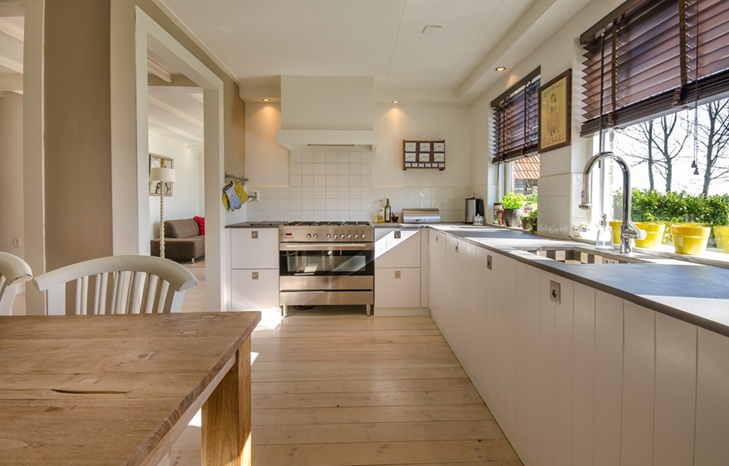
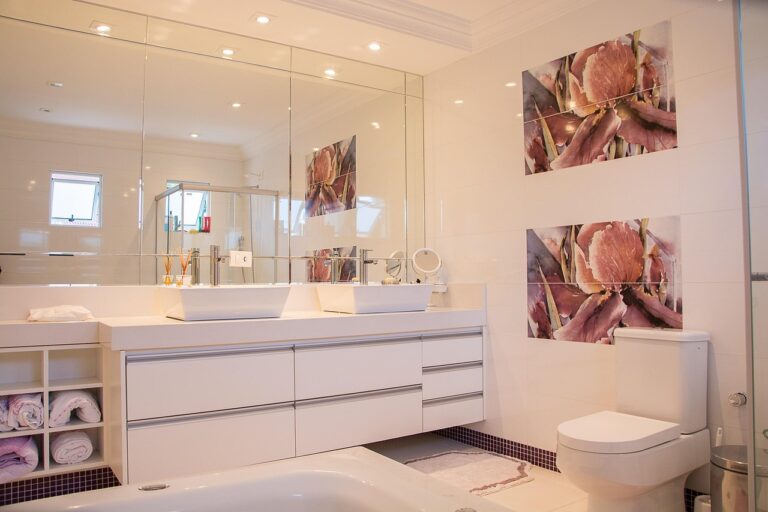
You can use ceramic tile throughout the home where moisture, stains, or heavy foot traffic occur. Kitchens commonly have ceramic tile floors and backsplashes because glazed tiles resist spills and heat; choose 4×4 or 6×6 tiles for backsplashes and larger formats (12×24, 24×24) for floors to reduce grout lines. Bathrooms benefit from ceramic on shower walls and floors — pick slip-rated tiles (R9–R11 or tiles with textured finishes) for safety.
Ceramic also performs well in entryways, mudrooms, and laundry rooms where dirt and water are frequent. For countertops and fireplace surrounds, use dense, low-porosity tiles or properly sealed grout to avoid staining and thermal shock. You can also install ceramic as decorative wall accents, mosaics, or stair risers to add durable design detail.
Commercial and Industrial Uses
In commercial settings, you’ll select ceramic for areas that combine heavy traffic with cleaning demands. Retail stores, restaurants, hotel lobbies, and healthcare facilities use glazed and unglazed ceramic tiles for floors and walls because they withstand abrasion and frequent washdowns. For kitchens and food-prep zones, choose chemical- and stain-resistant tiles plus slip-resistant finishes for safety.
Industrial and warehouse zones may use vitrified ceramic or porcelain variants with very low porosity; these resist oil, grease, and heavy loads. In laboratories and pharmaceutical spaces, ceramic’s resistance to disinfectants and heat makes it a good option for splash zones and sterile surfaces. Specify tile PEI ratings, slip ratings, and chemical resistance to match the operational requirements.
Trends in Design and Decoration
You can follow current trends that expand ceramic beyond purely functional uses into strong aesthetic roles. Large-format tiles and rectified edges create seamless floor-to-wall transitions, minimizing grout lines for a contemporary look. Wood- and stone-effect ceramic reproductions offer the appearance of natural materials with better durability and lower maintenance.
Patterned encaustic-look and mosaic tiles provide focal points—backsplashes, feature walls, and fireplace surrounds—using bold color or geometric repeats. Outdoor-grade vitrified tiles enable coordinated indoor–outdoor palettes. Consumers increasingly specify matte finishes, textured surfaces for traction, and digitally printed tiles for custom imagery or branding in commercial projects.