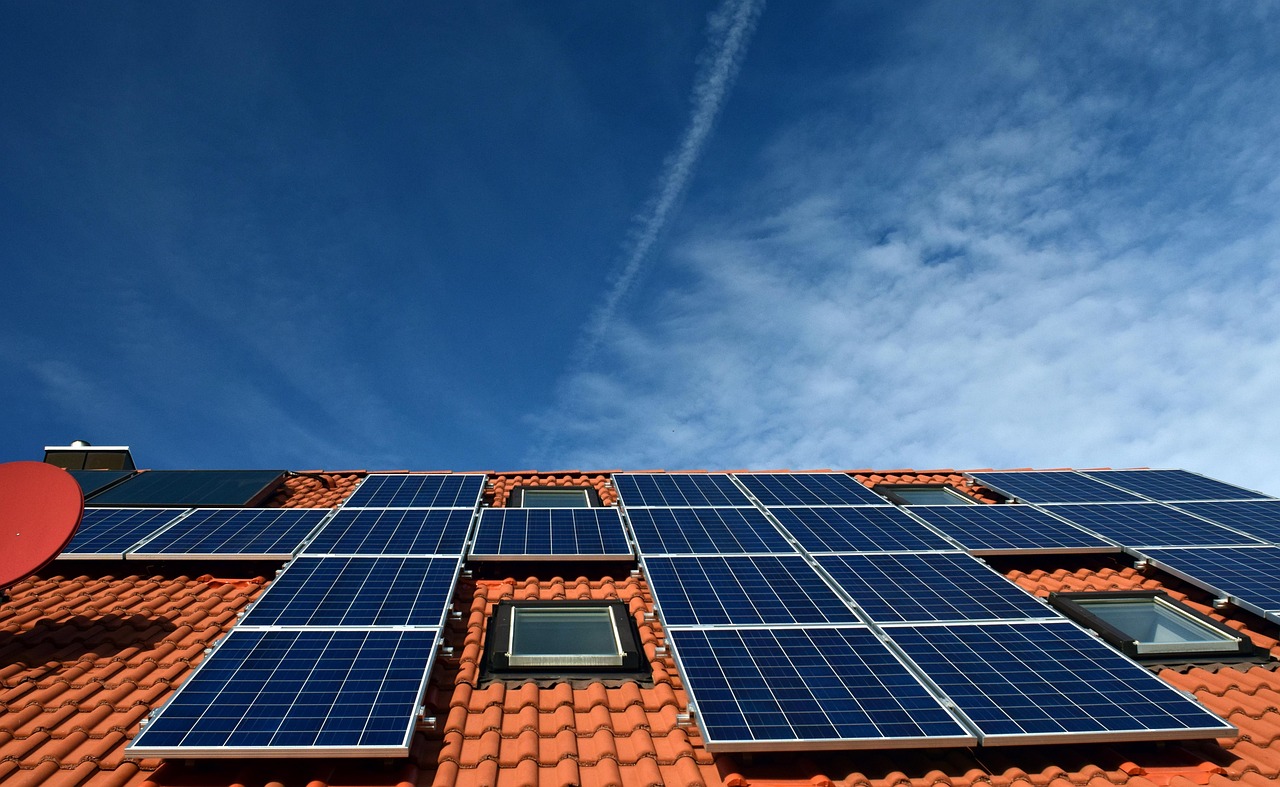
You can turn parts of your building into active power generators without sacrificing design. Building integrated photovoltaic panels replace or become part of roofs, façades, or windows so your structure both shelters and produces electricity.
Building Integrated Photovoltaic systems deliver on-site renewable power while serving as functional building materials, cutting energy use and preserving aesthetics.
Explore how these systems work, where they fit best, and what practical benefits they offer so you can evaluate whether integrating solar into the building envelope makes sense for your project.
Fundamentals of Building Integrated Photovoltaic Panels
BIPV systems replace or become part of building envelope elements and generate electricity while serving a structural or aesthetic function. You’ll find them in roofs, façades, canopies, and glazing where they must balance electrical performance, weatherproofing, and architectural requirements.
What Are Building Integrated Photovoltaic Panels
Building Integrated Photovoltaic (BIPV) panels are photovoltaic products designed to function as both building material and power generator. You install them as part of the roof, curtain wall, window, or shading device rather than mounting panels on top of an existing structure.
BIPV must meet building-code requirements for structural load, fire resistance, and air/water tightness while producing electricity. They come with integrated framing, connectors, and sometimes thermal management features so they replace conventional cladding or glazing without separate mounting racks.
You should expect trade-offs: optimizing for appearance can reduce peak cell efficiency, and integrating wiring and inverters requires coordination with the building electrical and envelope teams. Permit review and early-stage design integration shorten installation time and reduce costly rework.
Key Types of Building Integrated Photovoltaic Technologies
Common BIPV technologies include:
- Crystalline silicon modules adapted into roof tiles and opaque façades. They offer high efficiency and long-term reliability.
- Thin-film modules (CIGS, CdTe, amorphous silicon) used where flexibility, semi-transparency, or curved surfaces are needed. They typically weigh less and tolerate shading better but have lower efficiency.
- Semi-transparent and bifacial modules used in glazed façades, skylights, and canopies. Semi-transparent cells let light through while generating power; bifacial cells harvest reflected light from both faces.
- Building-integrated photovoltaic-thermal (BIPV-T) combines electricity generation with heat capture to improve overall energy yield for HVAC or water heating.
When choosing a technology, compare electrical output (W/m²), visible light transmittance for glazing, mechanical properties, and warranties. Integration details like frame profiles, flashings, and junction boxes vary by product and affect installation complexity.
How BIPV Differs from Traditional PV Systems
BIPV replaces conventional building materials and becomes part of the building envelope; traditional PV (BAPV) mounts on top of the envelope. This means BIPV often reduces material and labor by serving dual functions, but it demands closer coordination with architects and contractors.
Electrical performance differs: BIPV may have lower nominal efficiency per module due to aesthetic or transparency requirements, yet can achieve higher site-integrated energy yield by covering more surface area. Installation logistics also vary—BIPV requires weatherproofing interfaces, structural integration, and sometimes custom-sized modules.
Maintenance and replacement are more complex for BIPV because panels are part of the building skin. Plan for access, module-level monitoring, and replacement strategies during design.
Applications and Benefits
BIPV replaces conventional building materials with solar-generating components that save energy, reduce peak loads, and serve aesthetic or protective functions. You can expect applications across roofs, façades, windows, and shading devices, with trade-offs in cost, performance, and maintenance.
Commercial and Residential Integration
You can integrate BIPV on low‑slope roofs as direct replacements for membrane or standing seam systems, producing electricity without separate mounting hardware. For commercial buildings, large façade areas and south‑facing curtain walls deliver steady daytime generation and can offset HVAC loads during peak hours.
In residential settings, sloped roof tiles and semi‑transparent window modules preserve daylight while producing power for appliances and EV charging. Net‑metering or on‑site storage lets you use generated energy during evenings. Payback depends on local electricity rates, incentives, and the percentage of envelope replaced by BIPV.
Architectural Design Flexibility
You gain material choices—glass, polymer, thin‑film, or crystalline modules—that adapt to form and transparency requirements. Semi‑transparent modules work for skylights and atria, while colored or textured PV glass integrates into façades to match building aesthetics.
BIPV also functions as a shading device or weather barrier, reducing the need for secondary cladding. Early coordination with architects and engineers matters: you must specify electrical routing, thermal performance, and structural loads during design to avoid costly retrofits.
Energy Efficiency and Sustainability
BIPV directly reduces grid electricity demand by producing on‑site power and can lower peak demand when placed on sun‑exposed façades or roofs. Combining BIPV with building energy management and battery storage increases self‑consumption and reduces imported energy during peak rates.
You also cut embodied carbon when BIPV displaces conventional cladding materials, especially if modules serve dual roles (weatherproofing + generation). Consider lifecycle impacts: select modules with reliable warranties and recyclable materials to strengthen long‑term sustainability outcomes.
Challenges and Limitations
You will face higher upfront costs than conventional cladding plus separately mounted PV, due to custom sizing, integration labor, and certification requirements. Installation complexity increases when modules must meet both building code for envelope performance and electrical code for PV systems.
Performance can vary with orientation, shading from adjacent structures, and transparency requirements that reduce cell coverage. Maintenance and access for cleaning or replacement require planning during design. Finally, you must navigate permitting and insurance processes that can extend project timelines.