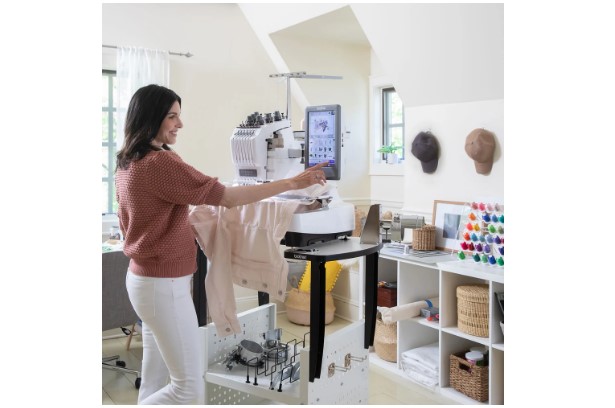
Running a Tajima machine is exciting. It is fast. It is strong. It is built for heavy work. But speed alone does not mean high output. True production speed comes from smart setup and clean work flow.Many shop owners focus only on stitch speed. But real Efficiency on Tajima Embroidery Machines comes from many small steps working together.
I have worked in busy embroidery shops. I have seen fast machines still lose time. I have also seen average speed machines produce more in one day. The secret is not just speed. It is system and skill.In this guide, I will share real shop tips. These are simple steps. They are tested in real production. Let us break it down in an easy way.
Why Production Speed Matters
Time is money in embroidery.
If your machine runs slow or stops often, you lose:
-
Orders
-
Clients
-
Profit
Faster production means:
-
More jobs per day
-
Less stress
-
Better cash flow
But do not confuse speed with rushing. Clean and steady work always wins.
Know Your Tajima Machine
Before you boost speed, know your machine well.
Learn the Control Panel
Take time to study:
-
Speed settings
-
Color change setup
-
Thread trim options
-
Error codes
When you understand the panel, you fix small issues fast.
Understand Your Model Limits
Each Tajima model has:
-
Max stitch speed
-
Needle count
-
Frame size
Do not push speed beyond safe limits. High speed on bad setup causes thread breaks.
Start With Clean Digitizing
Digitizing affects production more than people think.
Bad digitizing causes:
-
Too many trims
-
Too many jumps
-
High stitch count
-
Thread breaks
Good digitizing saves minutes on each run.
Reduce Stitch Count
High stitch count means longer run time.
For example:
-
15,000 stitches run much faster than 25,000 stitches.
Clean fill patterns and smart underlay reduce extra stitches.
Smart Pathing
Good pathing means:
-
Less jumping
-
Less trimming
-
Smooth flow
In bulk runs, this saves hours.
From my real shop work, I can say this. A well digitized file can boost daily output without changing machine speed.
Set the Right Machine Speed
Most Tajima machines can run very fast. But running at max speed all the time is not smart.
Find the Sweet Spot
Test different speeds.
For simple flat logos:
-
You can run at higher speed.
For caps or thick jackets:
-
Lower speed gives better control.
When you reduce thread breaks, you reduce downtime. That alone boosts total production.
Reduce Thread Breaks
Thread breaks slow down work more than anything else.
Use Good Quality Thread
Cheap thread breaks often. It may look fine at first. But in long runs, it causes stops.
Check Tension Daily
Bad tension leads to:
-
Loops
-
Breaks
-
Uneven stitches
Do a small test run every morning.
Change Needles Often
A dull needle damages thread. Replace needles after heavy jobs.
These small habits improve daily output in a big way.
Prepare Garments in Advance
Machine time is costly. Prep time should not stop the machine.
Hoop in Batches
Hoop many garments before starting the run.
This way:
-
The machine keeps running
-
You reduce idle time
Use the Right Stabilizer
Wrong backing causes puckering. Then you must redo items.
Use:
-
Cut away for shirts
-
Tear away for caps
-
Strong backing for thick items
Less rework means more speed.
Organize Your Work Area
A messy shop slows production.
Keep:
-
Threads sorted
-
Bobbins ready
-
Tools nearby
-
Extra needles in stock
When something breaks, you fix it fast.
In one shop I worked in, we reduced downtime by just organizing supplies. It sounds simple, but it works.
Plan Jobs Smartly
Smart job planning increases daily output.
Group Similar Orders
If you have:
-
50 black logos
-
30 red logos
Run similar colors together.
This reduces:
-
Thread changes
-
Setup time
Avoid Constant Design Changes
Switching designs often slows the day.
Finish one bulk job first. Then move to the next.
Use Multi Head Machines Wisely
If you run multi head Tajima machines, balance is key.
Load Equal Work on All Heads
Check that:
-
All heads stitch evenly
-
No head has tension issues
One faulty head slows the whole line.
Monitor All Heads
Watch for:
-
One head breaking thread more
-
One head stitching loose
Fix issues early before wasting garments.
Maintain Your Tajima Machine Regularly
Maintenance boosts speed in the long run.
Daily Cleaning
Remove:
-
Lint
-
Dust
-
Thread pieces
Clean hook area and needle plate.
Weekly Oiling
Follow Tajima oil points guide.
Dry parts increase friction. That slows stitching.
Check Timing
If timing is off, stitches look bad. Fixing timing early prevents major downtime.
From years in production, I can say this. Well maintained machines run smoother and faster.
Train Your Staff
Machines do not run alone. People run them.
Teach Basic Troubleshooting
Staff should know how to:
-
Rethread fast
-
Change needles
-
Adjust tension
Waiting for one expert slows work.
Set Clear Roles
One person:
-
Hoops garments
Another:
-
Monitors machine
Another:
-
Trims and packs
Team flow increases output.
Control Stitch Quality While Increasing Speed
Speed should not reduce quality.
Check:
-
Stitch alignment
-
Color match
-
Fabric tension
A bad batch wastes time and money.
Balance is key. Fast and clean is the goal.
Reduce Trims and Jumps in Designs
Too many trims slow machines.
Each trim:
-
Stops needle
-
Cuts thread
-
Restarts
This adds seconds per trim.
In big runs, seconds become hours.
Ask your digitizer to reduce trims where possible.
Use Proper Hooping Techniques
Bad hooping causes:
-
Fabric shift
-
Design misplacement
-
Rework
Use firm but not too tight hooping.
Mark placement clearly.
Straight hooping reduces wasted pieces.
Monitor Production Data
Track:
-
Stitch count per job
-
Time per run
-
Thread breaks per shift
When you track numbers, you see where time is lost.
Small changes can then improve output.
Avoid Over Speeding Caps
Caps are tricky.
They have:
-
Curved surface
-
Thick seams
Run caps at moderate speed.
High speed on caps increases breaks.
Smooth steady stitching gives better daily totals.
Keep Backup Parts Ready
Do not wait for parts to fail.
Keep:
-
Extra needles
-
Extra bobbin cases
-
Spare tension springs
If something breaks, replace it fast.
Downtime kills production.
Real World Example From Shop Floor
In one busy season, we had 500 polo shirts to stitch.
At first:
-
We ran at max speed
-
We had many thread breaks
-
We lost time fixing issues
Then we made changes:
-
Reduced speed slightly
-
Switched to better thread
-
Cleaned machine daily
-
Grouped jobs by color
Result?
We finished earlier than planned.
This taught me a big lesson. Smart setup beats raw speed.
Balance Speed and Machine Health
Running too fast every day:
-
Wears parts faster
-
Increases repair costs
Long term health matters.
Steady and controlled speed keeps machine strong for years.
Final Thoughts
Boosting production speed on Tajima machines is not magic. It is method.
Let us review key points:
-
Use clean digitizing
-
Reduce stitch count
-
Control thread quality
-
Maintain the machine
-
Organize workflow
-
Train staff
-
Plan jobs smartly
From real hands on experience, I can say this. Most time loss comes from small mistakes. Fix small things, and speed improves naturally.
Tajima machines are powerful. When you combine skill, clean files, and good planning, your daily output increases without stress.
Focus on system. Focus on quality. Speed will follow.
That is the true way to boost production in any embroidery shop.