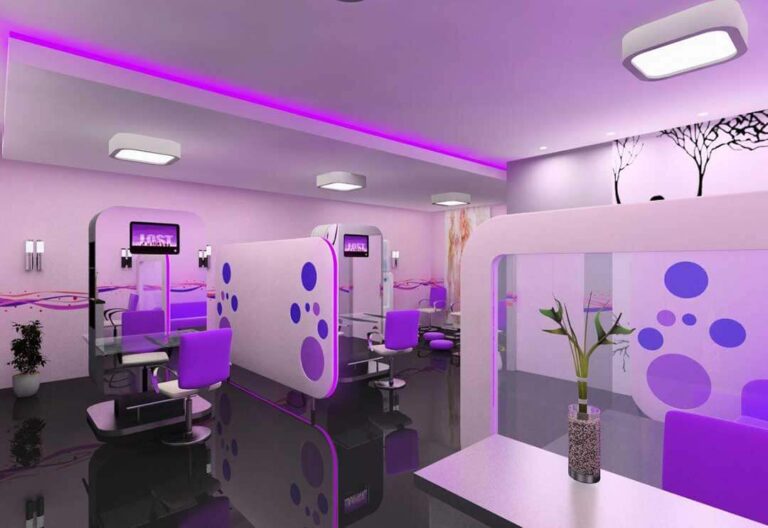
Benefits of 3D Commercial Rendering for Real Estate Marketing
In today’s competitive real estate landscape, visual impact is no longer optional, it’s essential. Buyers, investors, and tenants expect immersive experiences before they commit to a property. This is where 3D commercial rendering has transformed the marketing game. By turning architectural concepts into lifelike digital visuals, developers and real estate professionals can showcase projects with clarity, precision, and emotional appeal long before construction is complete.From office towers and retail centers to hospitality projects and mixed-use developments, 3D rendering allows marketers to present properties in a way that traditional photography and 2D drawings simply cannot match. Below, we explore the key benefits of 3D commercial rendering for real estate marketing and why it has become an indispensable off-page promotional strategy.
Creating a Powerful First Impression
In real estate marketing, first impressions determine whether prospects move forward or move on. High-quality 3D commercial renderings present properties in their best possible light, highlighting architectural features, landscaping, lighting, and surroundings in stunning detail.Unlike flat blueprints or rough sketches, 3D visuals create an emotional connection. Prospective buyers can see how sunlight filters through glass facades, how interior layouts flow, and how the property integrates into its environment. This immersive presentation immediately builds interest and trust.When shared across online listings, real estate directories, and promotional platforms, these visuals capture attention quickly making them highly effective for off-page marketing strategies.
Marketing Properties Before Construction Begins
One of the most powerful advantages of 3D commercial rendering is the ability to market properties before they physically exist. Pre-construction marketing has become a major strategy for commercial developers who want to secure investors and tenants early.
With 3D rendering, developers can.
- Launch marketing campaigns months or years before project completion
- Secure pre-sales and pre-leasing agreements
- Attract investors with visually compelling presentations
- Reduce financial risk by demonstrating clear project vision
Instead of waiting for the structure to be built, marketers can present photorealistic images that show exactly what the finished project will look like. This significantly accelerates decision-making.
Enhanced Online and Off-Page Visibility
Off-page marketing relies on content distribution beyond a company’s website such as real estate portals, property blogs, social media platforms, digital brochures, email campaigns, and press releases. High-quality 3D renderings significantly increase engagement across all these channels.Visual content consistently outperforms text-only posts. When 3D commercial renderings are shared externally.
- They increase click-through rates
- They encourage social sharing
- They improve listing performance
- They enhance brand credibility
These visuals make press coverage more appealing and blog features more engaging, helping projects gain wider exposure. The more visually compelling the content, the greater the chance it will be picked up and shared across platforms.
Clear Communication of Design Intent
Commercial real estate projects often involve complex architectural elements. Without 3D visualization, explaining the design concept to stakeholders can be challenging.3D commercial rendering simplifies communication by translating technical drawings into understandable visuals. Investors, partners, and clients no longer need architectural knowledge to grasp the project’s value. They can instantly see.
- Building proportions
- Exterior materials
- Interior layouts
- Landscaping details
- Parking and access points
Clear visual communication reduces misunderstandings and builds confidence in the project.
Competitive Advantage in a Crowded Market
The commercial real estate market is highly competitive. Multiple developments may target the same investors or tenants. In such scenarios, superior presentation becomes a decisive factor.
3D commercial rendering allows properties to stand out by.
- Highlighting unique architectural features
- Showcasing premium amenities
- Demonstrating lifestyle and functionality
- Presenting various lighting and seasonal scenarios
Instead of generic listings, visually immersive presentations create a premium perception. Projects that look modern, well-designed, and thoughtfully planned naturally attract more serious inquiries.
Customization and Flexibility in Presentation
Another major benefit of 3D rendering is flexibility. Changes in materials, finishes, branding, or layout can be updated digitally without costly physical alterations.
Developers can create multiple versions of the same project to appeal to different audiences.
- Day and night views
- Seasonal settings
- Alternative facade materials
- Different interior design themes
- Custom tenant branding for retail spaces
This adaptability allows marketers to tailor presentations for specific clients or market segments without restarting the design process.
Cost-Effective Marketing Solution
While 3D rendering requires an upfront investment, it often proves more cost-effective than traditional marketing approaches over time.
Consider the alternatives.
- Physical scale models are expensive and time-consuming
- Repeated photography during construction adds costs
- Marketing delays can lead to financial losses
3D commercial rendering eliminates many of these expenses by providing reusable digital assets. These visuals can be used across websites, brochures, advertisements, billboards, and investor presentations maximizing return on investment.
Improved Buyer and Investor Confidence
Confidence is a crucial factor in commercial real estate decisions. Investors want clarity, and tenants want assurance that the property meets their needs.
Photorealistic 3D renderings provide.
- Accurate spatial representation
- Realistic material textures
- True-to-scale proportions
- Environmental context
When stakeholders can visualize the final outcome clearly, hesitation decreases. This clarity often shortens sales cycles and strengthens negotiation positions.
Stronger Emotional Engagement
Real estate decisions are influenced by both logic and emotion. 3D commercial renderings tap into emotional psychology by showcasing atmosphere and experience not just structure.Through strategic lighting, realistic shadows, greenery, and human elements, renderings can communicate.
- Professional sophistication for office spaces
- Vibrant energy for retail developments
- Luxury ambiance for hospitality projects
These emotional cues make properties feel tangible and desirable, even before construction begins.
Supporting Digital Marketing Strategies
Modern real estate marketing depends heavily on digital platforms. 3D commercial renderings integrate seamlessly into.
- Social media campaigns
- Email marketing
- Online property listings
- Virtual tours
- Paid digital advertisements
They also enhance search engine optimization (SEO) efforts by increasing dwell time and engagement on external platforms. The more users interact with compelling visual content, the stronger the overall marketing performance.
Better Collaboration Between Teams
Commercial developments involve architects, engineers, contractors, marketers, and investors. 3D rendering acts as a central visual reference point for all stakeholders.
When everyone works from the same visual model.
- Design inconsistencies are easier to identify
- Marketing materials remain aligned with actual plans
- Stakeholder approvals become more efficient
This streamlined collaboration reduces delays and enhances project accuracy.
Strengthening Brand Image
Professional visuals reflect professionalism. High-quality 3D commercial renderings elevate a developer’s brand image and position them as forward-thinking and innovative.Consistently presenting projects with polished visuals builds long-term credibility in the marketplace. Companies that invest in advanced visualization demonstrate commitment to excellence and transparency.For example, professional visualization studios like SMA Archviz specialize in delivering detailed, photorealistic renderings that help commercial developers present their projects with clarity and impact.
Adaptability for Future Technologies
3D rendering models can be adapted for emerging technologies such as virtual reality (VR) and augmented reality (AR). As immersive experiences become more common in property marketing, having a 3D foundation allows seamless integration into these advanced tools.This future-ready approach ensures that marketing assets remain valuable and adaptable as technology evolves.
Conclusion
3D commercial rendering has fundamentally reshaped real estate marketing. It enables developers to promote projects before construction, enhance off-page visibility, communicate design intent clearly, and build investor confidence with visually compelling presentations.In a competitive commercial property market, the ability to showcase realistic, immersive visuals can mean the difference between hesitation and commitment. From attracting early investors to strengthening digital campaigns and improving stakeholder collaboration, the benefits are both strategic and financial.As real estate marketing continues to evolve, 3D commercial rendering stands out as a powerful, future-ready solution that transforms architectural concepts into persuasive visual experiences driving engagement, accelerating sales, and elevating brand presence in the global marketplace.