You’ll recognize aluminum composite material the moment you see it: flat, lightweight panels with two thin aluminum faces bonded to a core that give you strength, flatness, and design flexibility for cladding, signage, and interiors. If you need a durable, low-weight surface that balances aesthetics and performance, aluminum composite material delivers a practical solution for many architectural and industrial uses.
This article will explain what ACM is, how it’s constructed, and where it works best, so you can quickly judge whether it suits your next project. Expect a clear look at the material’s benefits and limits, plus practical considerations for selection and installation.
Overview of Aluminum Composite Material
Aluminum composite material combines a thin aluminum skin with a central core to deliver high stiffness, low weight, and weather-resistant surfaces. You’ll see it used where flatness, long-term finish, and ease of fabrication matter.
Key Properties
ACM offers a high strength‑to‑weight ratio and a stable, flat panel surface that resists warping under normal environmental loads. You get low density compared with solid metal panels, which reduces dead load on structures and lowers handling and installation costs.
The outer aluminum layers provide corrosion resistance and accept factory-applied PVDF or polyester coatings for UV and color durability. Panels also offer good impact resistance for signage and façades, though stiffness and dent resistance depend on skin thickness and core material.
Fire performance varies by core type: polyethylene (PE) cores are combustible and limited by code; mineral or fire-retardant cores improve fire classification. Thermal expansion must be accommodated in framing to avoid buckling; acoustic damping is modest unless you add layers or cavities.
Common Applications
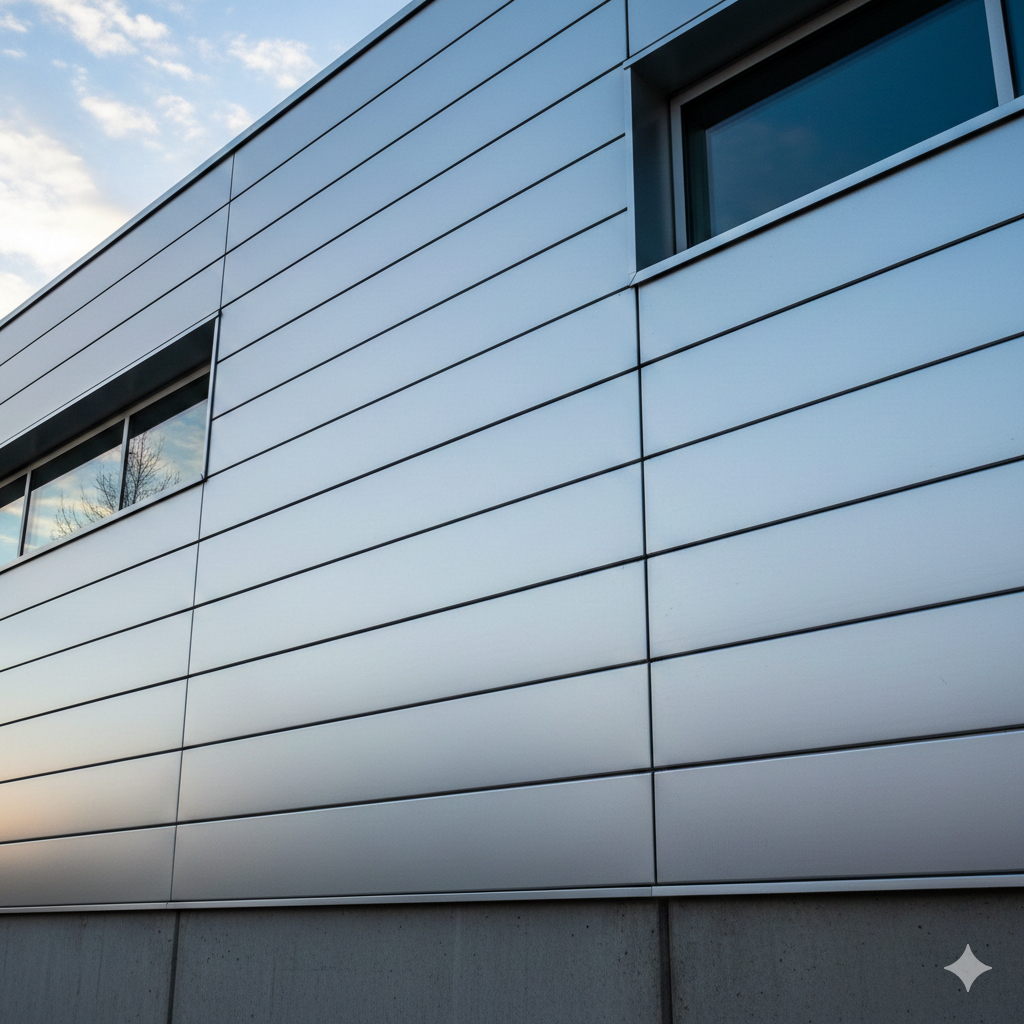
You’ll commonly find ACM on building façades, soffits, and rain-screen cladding where a thin, uniform finish and long spans are needed. It suits storefronts, canopy undersides, and large-format signage because panels fabricate clean edges and retain flatness over wide areas.
Interior uses include partitions, column covers, and retail displays where lightweight, paint-stable panels speed installation. Transportation and kiosks use ACM for panels and trim owing to low weight and ease of machining. Choose panel type and finish to meet durability, fire, and maintenance requirements for each application.
Material Composition
An ACM panel typically consists of:
- Two thin aluminum sheets (usually 0.2–0.5 mm each) bonded to
- A continuous core (common: polyethylene (PE), fire‑retardant mineral core, or thermoplastic)
You should expect factory-applied primers and topcoats—commonly PVDF or polyester—on the aluminum skins for weathering resistance. Bonding uses adhesive layers and roll-bonding or continuous lamination to produce a rigid sandwich.
Variations in skin thickness, core chemistry, and coating system let you tailor stiffness, fire behavior, and finish longevity. When specifying, verify core fire rating, paint system class, and panel edge treatment to match structural and regulatory demands.
Advantages and Limitations
Aluminum composite material balances lightweight strength and design flexibility with maintenance considerations and some installation and end-of-life challenges. You get durable, weather-resistant cladding and versatile fabrication options, but you must manage fire ratings, denting risk, and recycling complexity.
Benefits in Construction
You can reduce building weight significantly because ACM panels combine thin aluminum skins with a lightweight core, lowering structural load and enabling longer spans or lighter framing. Panels come in large flat sizes and curved profiles, so you can achieve smooth façades, rainscreen systems, and custom signage with fewer joints.
Fabrication is fast: you can cut, bend, and route ACM on standard shop equipment, which shortens lead times and lowers labor costs compared with heavier metal panels. The coil-coated surface offers a wide palette of durable colors and finishes, helping you meet design intent and maintain appearance with minimal repainting.
Installation is typically straightforward using concealed clips or rivets, which speeds up on-site work and reduces scaffolding time. You can integrate thermal break systems and insulation behind ACM cladding to improve façade thermal performance when designed correctly.
Durability and Lifespan
You should expect long-term corrosion resistance because the aluminum skins resist rust and most atmospheric degradation. Coil coatings provide UV and weather protection, so color and gloss retention remain good for many years under normal exposure.
Impact damage can occur; thin skins dent more easily than solid metals, so you need to consider traffic zones and mechanical protection in high-risk locations. Moisture intrusion at damaged joints can accelerate core degradation if not sealed, so quality sealing and regular inspection extend service life.
When installed over proper support systems and with compatible sealants, ACM systems commonly last decades. Your realistic maintenance needs include periodic inspections of fastenings, sealants, and finishes rather than frequent full-surface upkeep.
Challenges in Use
Fire performance varies by core formulation. Some polymer cores have poor fire behavior and may not meet local codes for high-rise applications. You must specify non-combustible or fire-retardant cores and verify test reports (e.g., EN, NFPA or local standards) to ensure compliance.
Recycling poses complexity because bonded dissimilar materials make separation difficult. Some manufacturers offer take-back programs, but you should plan for limited recycling options and potential disposal costs at end of life.
ACM panels can cost more upfront than basic cladding alternatives, especially for high-performance cores or specialty finishes. Also, improper detailing, poor fastening, or substandard installation increases risk of water ingress, wind uplift, and premature failure—so you must control design, product selection, and installer qualifications.