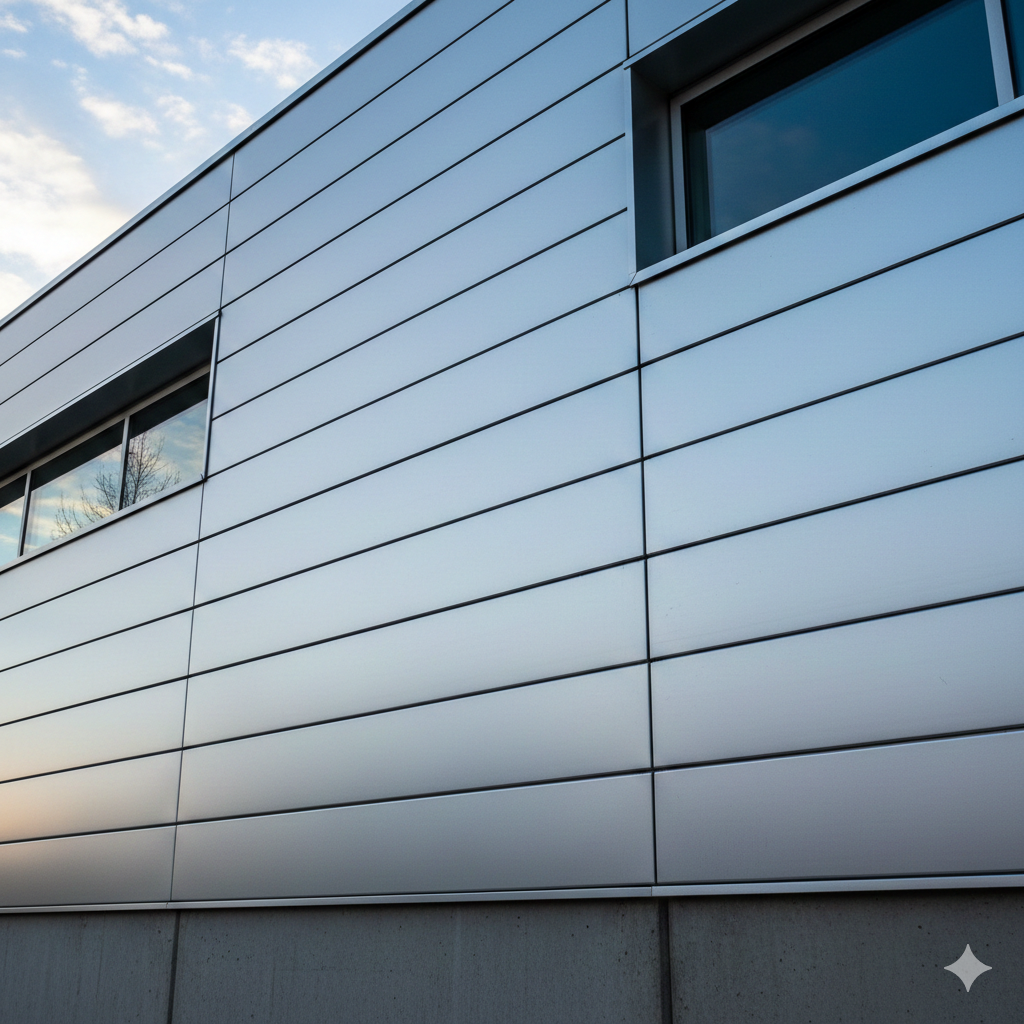
Aluminium cladding Facade gives you a lightweight, durable exterior that resists corrosion, reduces maintenance, and adapts to many architectural styles. If you want a practical façade solution that improves longevity, thermal performance, and design flexibility, aluminium panels deliver those benefits without large structural penalties.
You’ll learn how aluminium systems suit high-rise and low-rise projects, where their low weight and sustainability matter most, and what to check before you specify them. Expect clear coverage of performance, typical uses, and the installation and compatibility issues that affect cost and long-term results.
Benefits and Applications of Aluminium Cladding Facade
Aluminium cladding improves thermal performance, enables wide aesthetic choices, resists weathering, and fits both high-rise commercial and low-rise residential projects. You’ll get lightweight panels that simplify installation, lower maintenance costs, and allow precise detailing for ventilation, rainscreen systems, and integrated services.
Energy Efficiency
Aluminium cladding contributes to reduced heating and cooling loads when used as part of a ventilated rainscreen or insulated panel system.
When you specify a cladding assembly with a continuous thermal break and mineral wool or rigid foam insulation, you cut thermal bridging and improve the wall U-value. That reduces HVAC runtime and can support compliance with local energy codes or green building targets.
Reflective finishes and light colors lower solar heat gain on south- and west-facing façades.
You can also integrate PV panels or solar shading into aluminium systems to further offset energy use. Pay attention to air and vapor control layers to preserve insulation performance.
Design Versatility
Aluminium panels come in solid, perforated, and composite forms, and you can apply PVDF, anodized, or powder coatings.
That variety lets you match corporate branding, mimic other materials, or create custom patterns with water-jet cutting or CNC perforations.
You can form large-format flat panels, curved panels, or folded profiles for complex geometries.
Fastener-free visible joints and concealed clip systems yield clean sightlines while allowing for thermal movement. Use varying finishes and panel sizes to animate façades or control daylight through patterned perforations.
Durability and Maintenance
Aluminium resists corrosion, does not rot, and tolerates freeze–thaw cycles better than many alternatives.
Coatings such as fluoropolymer (PVDF) retain color and gloss for decades when correctly specified and maintained.
Maintenance needs are limited to periodic cleaning and inspection of seals and fixings.
Unlike timber or painted steel, you won’t need frequent re-coating. Replaceable panel modules simplify future repairs and reduce lifecycle costs compared with monolithic claddings.
Commercial and Residential Uses
In commercial buildings, aluminium cladding suits high-rise towers, retail façades, office parks, and institutional campuses.
It supports large spans, curtain walls, and integrated signage while meeting fire-rating and wind-load requirements when engineered correctly.
For residential projects, aluminium offers lightweight façades for multi-family buildings and decorative envelopes for single-family homes.
You can combine aluminium panels with traditional materials—stone, brick, or timber—to achieve hybrid aesthetics while keeping installation times and structural loads lower than heavier cladding systems.
Installation and Key Considerations
You will plan mounting, tolerances, finishes, and budget before work begins. Prioritize structural anchoring, weatherproof detailing, and panel-handling procedures to avoid on-site delays and damage.
Installation Process
Start with a detailed site survey: record substrate type (concrete, steel, masonry, or lightweight framing), plumb/level deviations, and any penetrations that affect fixings. Lay out the aluminium subframe (vertical or horizontal rails) to manufacturer spacing and fasten to structure with specified anchors rated for wind loads.
Cut and handle panels on padded supports to prevent scratches and edge damage. Install weather barriers, vapor control, and continuous flashings at parapets, sills, and openings before fixing panels. Use concealed clips or rivets per system design, allowing the recommended thermal expansion gaps (typically 4–8 mm per 3 m, but verify with supplier).
Seal joints with specified gaskets or sealants; backer rods help control sealant depth. Inspect each elevation for alignment and plumb during installation and torque fasteners to spec. Perform a final inspection of flashings, weep holes, and rain-screen clearances.
Material Selection
Choose alloy and temper based on corrosion environment and required strength (e.g., 3000–5000 series for architectural applications). Specify finish type—PVDF or fluoropolymer coatings for long-term color retention; anodized finishes where abrasion resistance and metallic appearance matter.
Select composite panel cores carefully: fire-rated mineral or non-combustible cores are essential on high-rise projects; follow local code for combustibility and testing standards. Pick substrate thickness to meet span and wind-load calculations; 2.0–3.0 mm is common for many facades, but verify based on panel size and wind pressures.
Specify compatible fasteners and isolation materials (plastic washers, anti-galvanic barriers) to avoid galvanic corrosion between aluminium and dissimilar metals.
Cost Factors
Budget items include raw material, engineered subframe, fire-rated cores, and specialized finishes. Labor costs rise with on-site complexity: irregular geometry, large panel sizes requiring cranes, and required scaffolding or rope-access work increase time and price.
Allow contingency for cutting, waste (typically 8–15%), and replacement of damaged panels. Include testing and inspections in the cost — anchor pull tests, water tightness checks, and mock-up approvals can prevent costly rework. Compare system-specific warranties and life-cycle costs, not just initial purchase price, to estimate true value.